Can you install asphalt shingles on a roof below a 4/12 pitch? In many cases, yes — but only if the roof is still above the minimum allowable slope and the correct low-slope shingle application techniques are used.
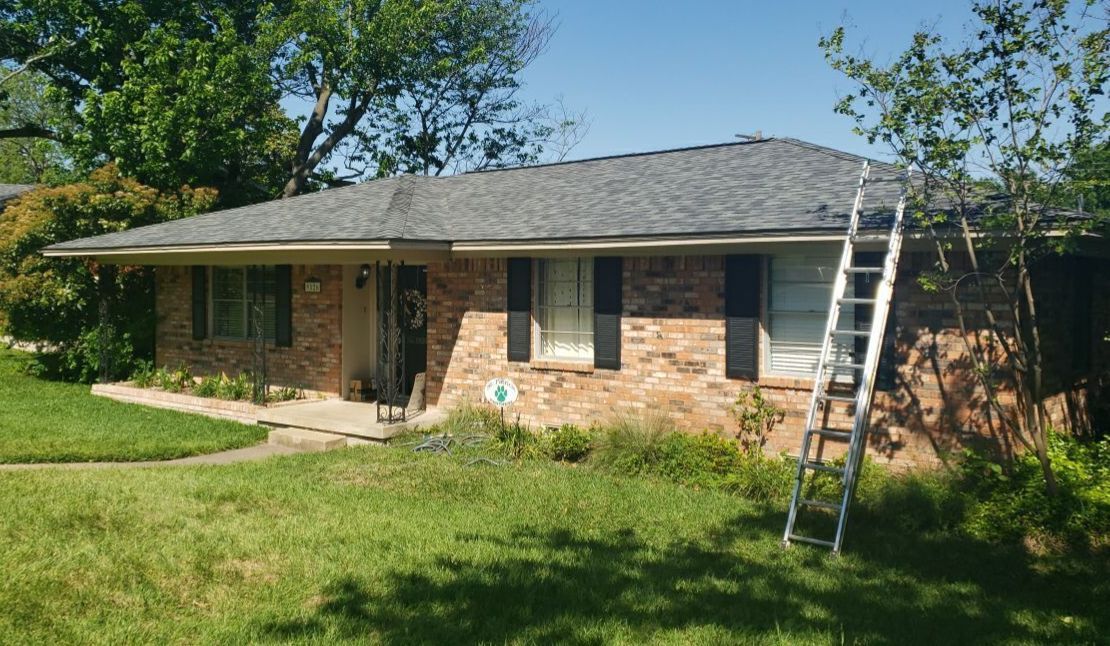
This roof replacement project was completed on Vista Oaks in the Town Creek neighborhood of Lake Highlands, just north of Royal Lane between Skillman and Abrams in Dallas zip code 75243. The roof was primarily replaced because of age-related deterioration. The existing shingles had reached the end of their service life, and the project also required approximately 150 to 200 square feet of roof decking replacement before the new roof system could be installed.
The most important technical issue on this project was the roof pitch. The roof measured approximately 3.5/12. That is below the standard 4/12 threshold, but still above the minimum slope where asphalt shingles can be used.
Because the roof was below 4/12, it required low-slope shingle application methods. Standard underlayment was not enough.
Can You Install Shingles on a Roof Below 4/12 Pitch?
Yes, shingles can be installed on some roofs below a 4/12 pitch, but they require special installation methods.
For asphalt shingles, the typical minimum slope is 2/12. Below 2/12, shingles should not be used because the roof does not shed water quickly enough. Between 2/12 and less than 4/12, shingles may still be used, but the roof must be treated as a low-slope 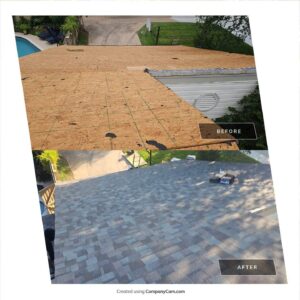 shingle application.
That means the underlayment system has to be upgraded. A normal single layer of felt or synthetic underlayment is not enough for this slope range.
What Is a Low-Slope Shingle Roof?
A low-slope shingle roof is generally a shingle roof with a pitch from 2/12 up to less than 4/12.
That range matters. A roof at 4/12 or steeper can usually be installed with standard shingle application methods. A roof below 4/12 drains more slowly, so it needs additional water protection underneath the shingles.
On this Lake Highlands roof, the measured pitch was approximately 3.5/12. That made it a low-slope shingle roof.
Why Does a Roof Below 4/12 Need Special Application Techniques?
A roof below 4/12 does not move water off the surface as quickly as a steeper roof.
During heavy rain, water stays on the roof longer. In a wind-driven storm, rain can be pushed underneath shingle laps more easily. Tree debris, aging roof decking, shallow pitch, and older roof framing can increase the risk.
Shingles are designed to shed water, not act like a flat roofing membrane. On a lower-slope roof, the underlayment becomes much more important because it serves as secondary protection if water gets under the shingles.
That is why roofs between 2/12 and 4/12 require low-slope shingle application techniques.
What Underlayment Is Required Below a 4/12 Pitch?
For a shingle roof below 4/12 and above the 2/12 minimum, the underlayment system must be upgraded.
The two common options are:
- A double layer of approved roof underlayment
- A self-adhering ice and water shield / ice and moisture shield over the roof deck
Both methods are intended to provide additional water protection beneath the shingles. On this Vista Oaks project, we used ice and water shield rather than a double layer of felt.
Is Ice and Water Shield Better Than Double Felt?
In our opinion, yes.
A double layer of felt can be an acceptable low-slope application method when installed correctly. But felt is still a mechanically fastened underlayment system that relies heavily on overlap, fastening, and workmanship.
Ice and water shield is self-adhering. It bonds directly to the roof deck and provides a more robust secondary water barrier. On a roof below 4/12, that added protection matters.
For this project, we considered ice and water shield the better choice because the roof pitch was approximately 3.5/12 and the roof had age-related decking issues that needed correction before the new roof system was installed.
Why Older Dallas Roofs Can Fall Below Their Original 4/12 Pitch
This condition is not as uncommon as it may sound.
Many homes in Dallas were framed decades ago at or near a 4/12 pitch. Over 40 or 50 years, a wood-framed structure can move. Rafters can settle. Decking can sag. Framing members can deflect slightly. A roof that may have originally been framed as a 4/12 roof can measure closer to 3.5/12 by the time it is replaced.
The important point is this: roof replacement decisions have to be based on the current roof conditions, not what the pitch may have been when the house was originally built.
If the roof measures below 4/12 today, then it should be installed using low-slope shingle application methods today.
Why This Matters in Lake Highlands and Older Dallas Neighborhoods
Lake Highlands, East Dallas, and surrounding older Dallas neighborhoods have many wood-framed homes that are several decades old. These homes often have roof structures that have settled or moved slightly over time.
A roof may look like a normal shingle roof from the ground, but the actual measured slope can tell a different story. If the pitch is below 4/12, the installation requirements change.
This is especially important in neighborhoods such as Town Creek, Merriman Park, Moss Farm, Lake Ridge Estates, and other areas with older homes, mature trees, and long-term structural aging.
What Was Done on This Vista Oaks Roof?
On this Vista Oaks roof replacement in Lake Highlands, the roof was inspected and measured before the new roof system was installed.
The roof measured approximately 3.5/12. Because that is below 4/12, it was treated as a low-slope shingle application.
The project included:
- Removal of the old roofing
- Replacement of approximately 150 to 200 square feet of damaged decking
- Installation of ice and water shield over the roof deck
- Installation of new shingles over the upgraded low-slope underlayment system
- Roofing the home based on the current measured roof pitch, not the presumed original framing pitch
The shingle brand and color were part of the finished project, but the key technical detail was not the shingle selection. The key detail was recognizing the low-slope condition and installing the correct underlayment system.
What Mistake Do Contractors Often Make on Roofs Below 4/12?
The common mistake is treating a roof below 4/12 like a standard-slope roof.
A contractor may look at a roof and assume it is “basically a 4/12,” then install one layer of synthetic felt or standard underlayment. But if the roof actually measures 3.5/12, that is not the correct approach.
A roof below 4/12 requires low-slope shingle application techniques. That usually means either double underlayment or ice and water shield.
This is a detail that can easily be missed if the roof pitch is guessed instead of measured.
What Should Homeowners Ask Before Replacing a Low-Slope Shingle Roof?
Homeowners with an older Dallas home should ask a few direct questions before replacing a shingle roof:
What is the actual measured roof pitch? The difference between 4/12 and 3.5/12 matters. Be careful, satellite reports like EagleView are not as precise as a actual pitch meter on the roof. Most of those reports round up which can produce an error.
Is the roof below 4/12? If it is, the roof should be treated as a low-slope shingle application.
What underlayment system will be used? A roof below 4/12 needs more than standard single-layer underlayment.
Will damaged decking be replaced before underlayment is installed? Ice and water shield or double felt should be installed over a solid roof deck. Damaged decking must be replaced.
Is the installation based on current conditions? The roof may have been framed at 4/12 decades ago, but the measured slope today is what matters.
Final Result
This Lake Highlands roof replacement is a good example of why roof pitch matters.
A roof below a 4/12 pitch can often still be roofed with asphalt shingles, but it cannot be treated like a standard-slope roof. On this Vista Oaks project, the roof measured approximately 3.5/12, which placed it in the low-slope shingle application range.
The correct solution was not just replacing old shingles. The correct solution was replacing deteriorated decking, recognizing the roof was below 4/12, and installing ice and water shield as the upgraded underlayment system.
For older Dallas homes, that detail can make a major difference in the long-term performance of the roof.