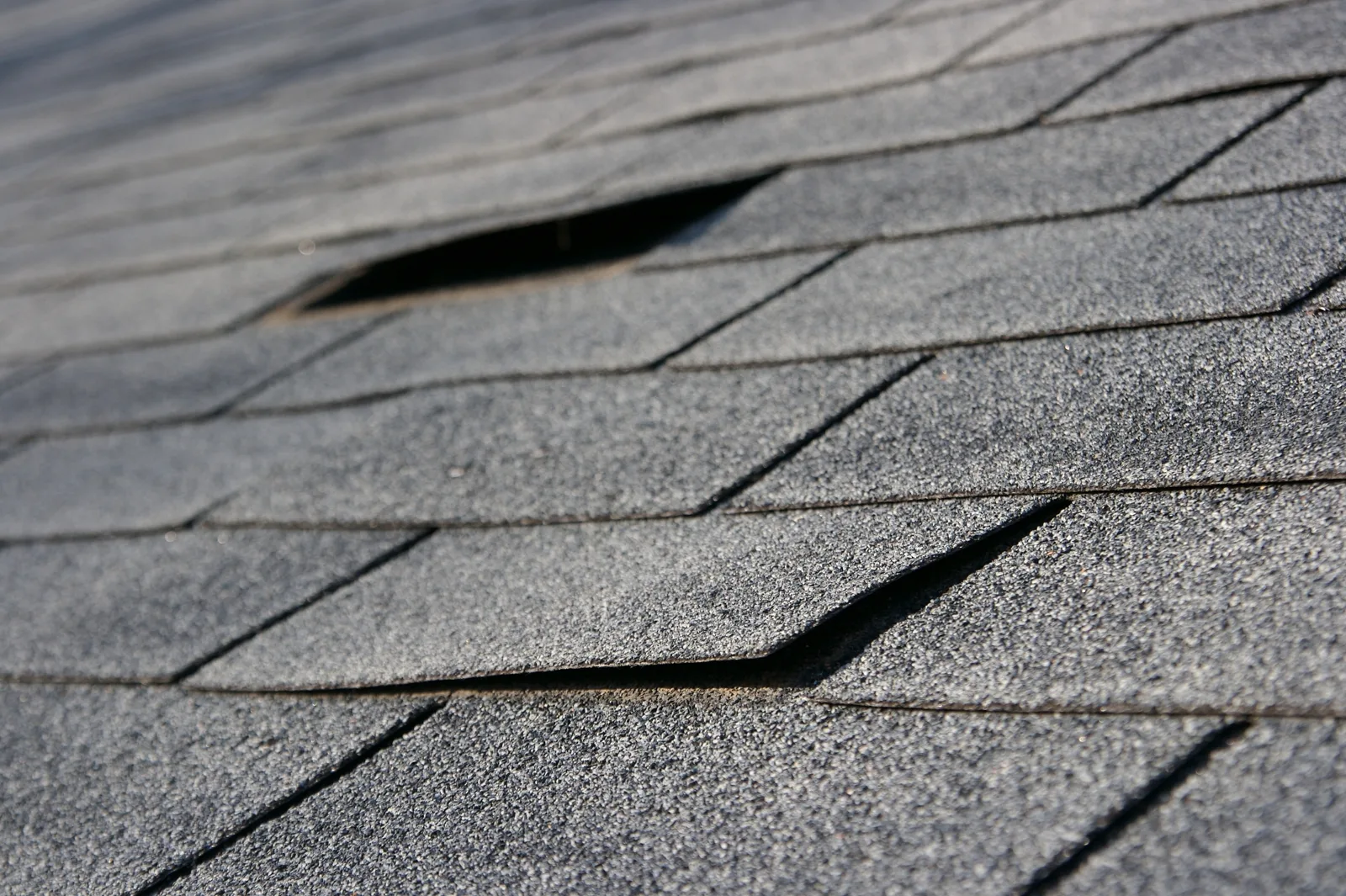
When you invest in professional roof installation, you are investing in your family’s safety as much as in the house itself. A strong, durable roof stands up against weather, water, and pests, but it will only withstand so much. By understanding the three most common forms of roof damage in Texas, you can catch problems early and avoid the expensive ones.
Accumulated Debris
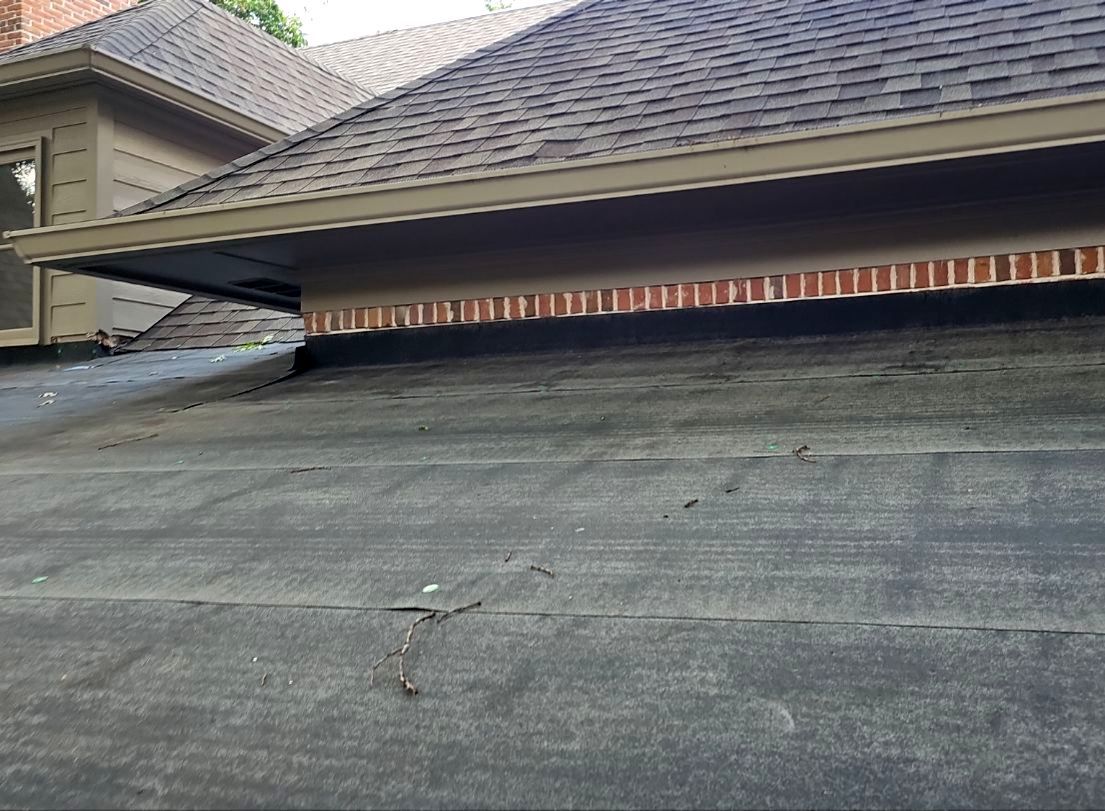
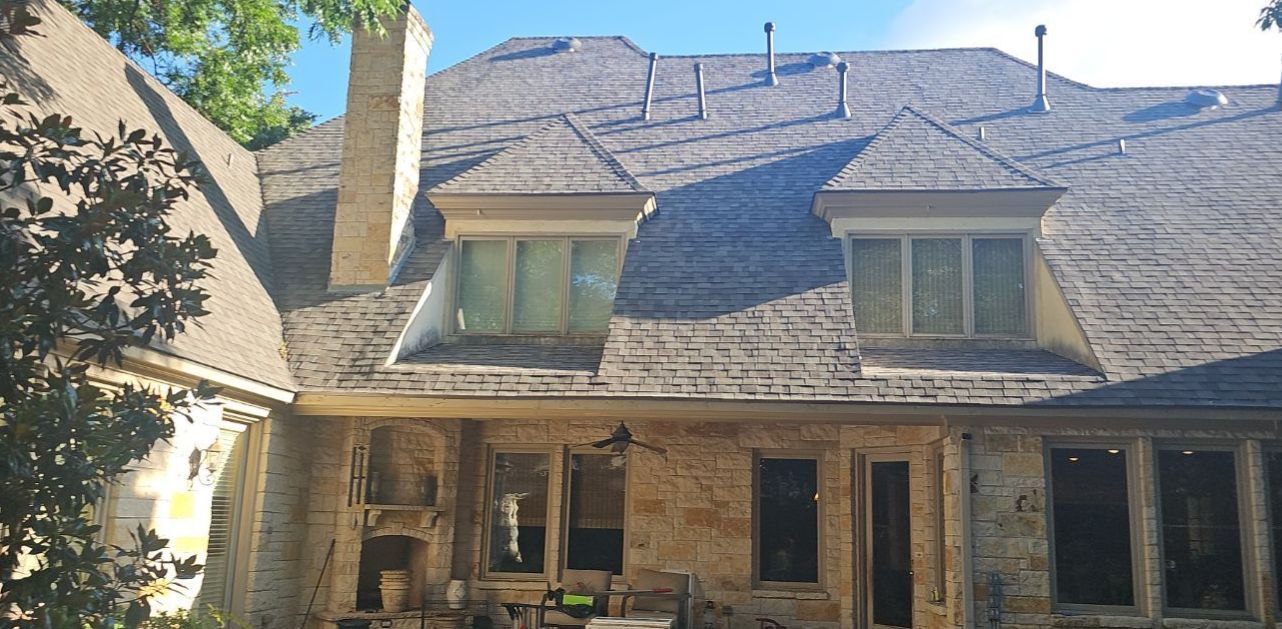
With the wind and the changing seasons, your roof is going to collect its share of debris. If branches, leaves, or other material build up and stay long enough, they can trap moisture against the shingles and lead to leaks, shingle deterioration, and rot at the deck.
If you notice debris piling up, especially in valleys or against chimney crickets, take time to clean it and schedule a roof inspection. The accumulation itself usually is not catastrophic, but what it hides underneath sometimes is.
Hail Damage
Texas hail is not seasonal in the way most weather is. A few times each year, North Texas takes a storm that rolls in from the north with hailstones the size of a golf ball or larger. Hail of either size can damage shingles, even if the visible signs from the ground look minor.
It is important to schedule a prompt roof inspection after any sort of hail event. Even small bruises in the asphalt granule layer can age into leaks years later, and most insurance policies have a time limit on filing a claim.
Age
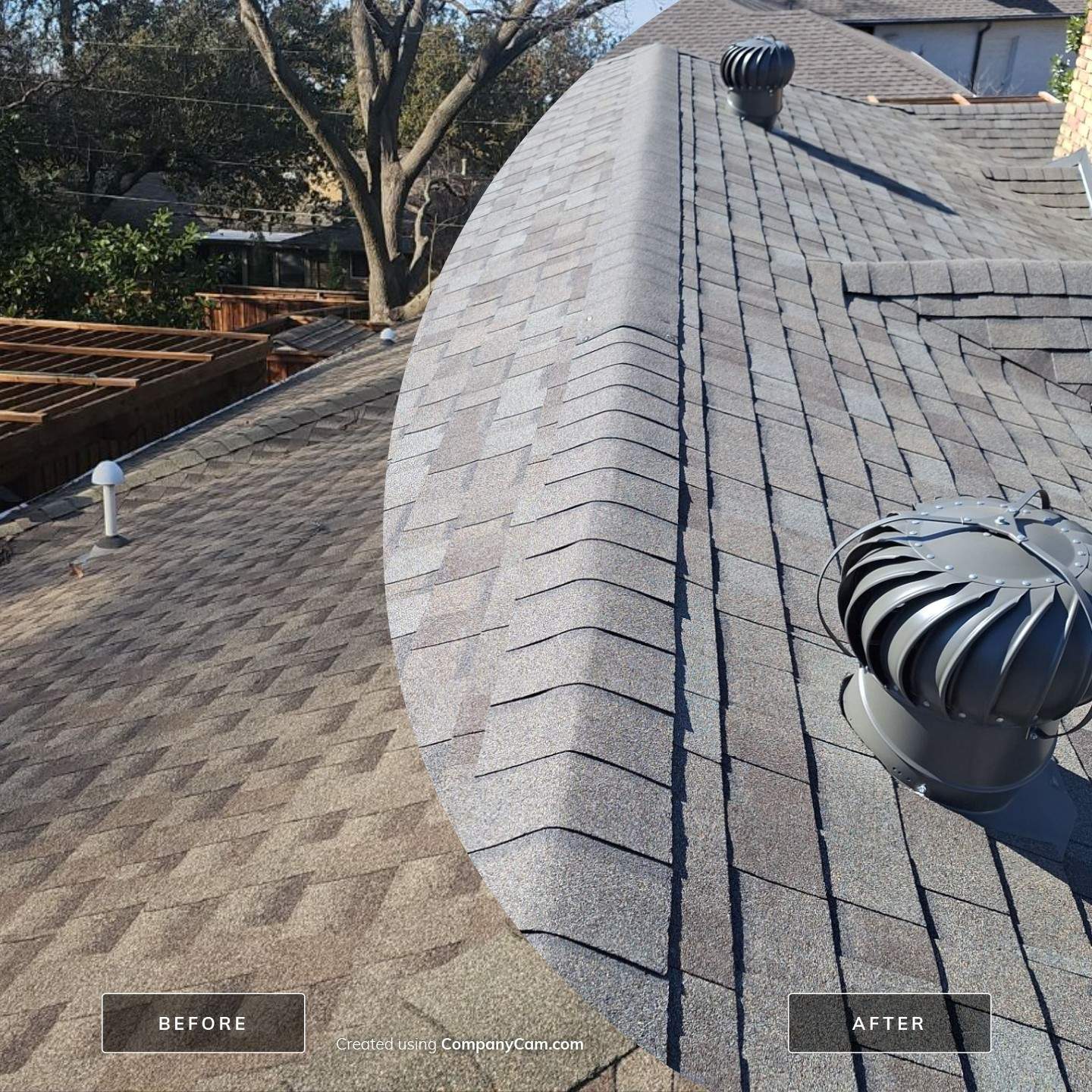
Many homeowners are so focused on storm damage that they forget about age. Time takes a real toll on a roof, and every roofing material has a finite lifespan. Standard asphalt shingles in Dallas typically run 18 to 25 years. Architectural shingles run 25 to 30. Tile and metal can run much longer.
If your roof is approaching its expected lifespan, consider a roof replacement rather than waiting for the first leak. Insurance reimbursement gets harder as the roof ages past its useful life, and the rooms below get more expensive to repair than the roof itself.
When to Call
For a free inspection on a Dallas-area home, call us at 214-321-9341 or request an inspection online.