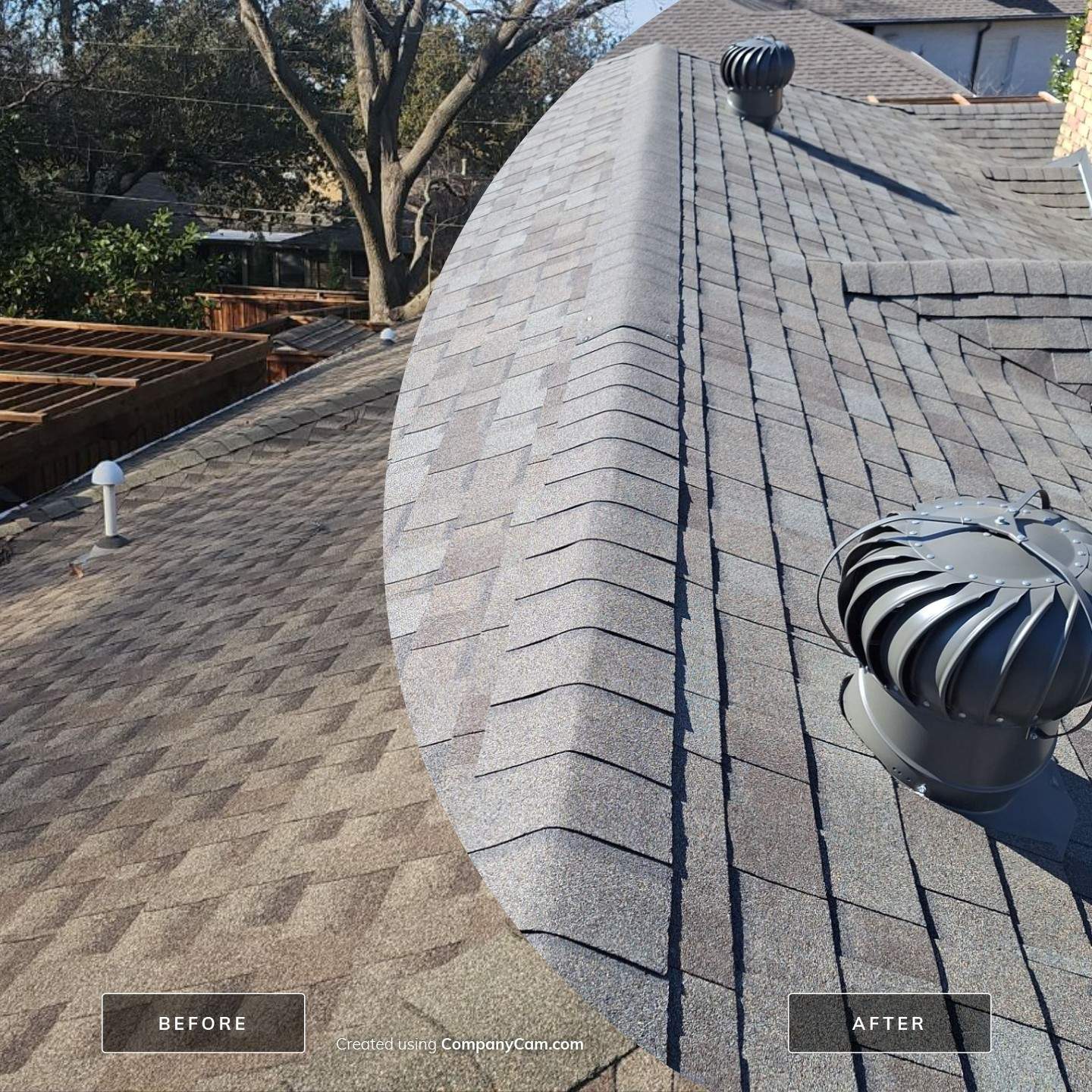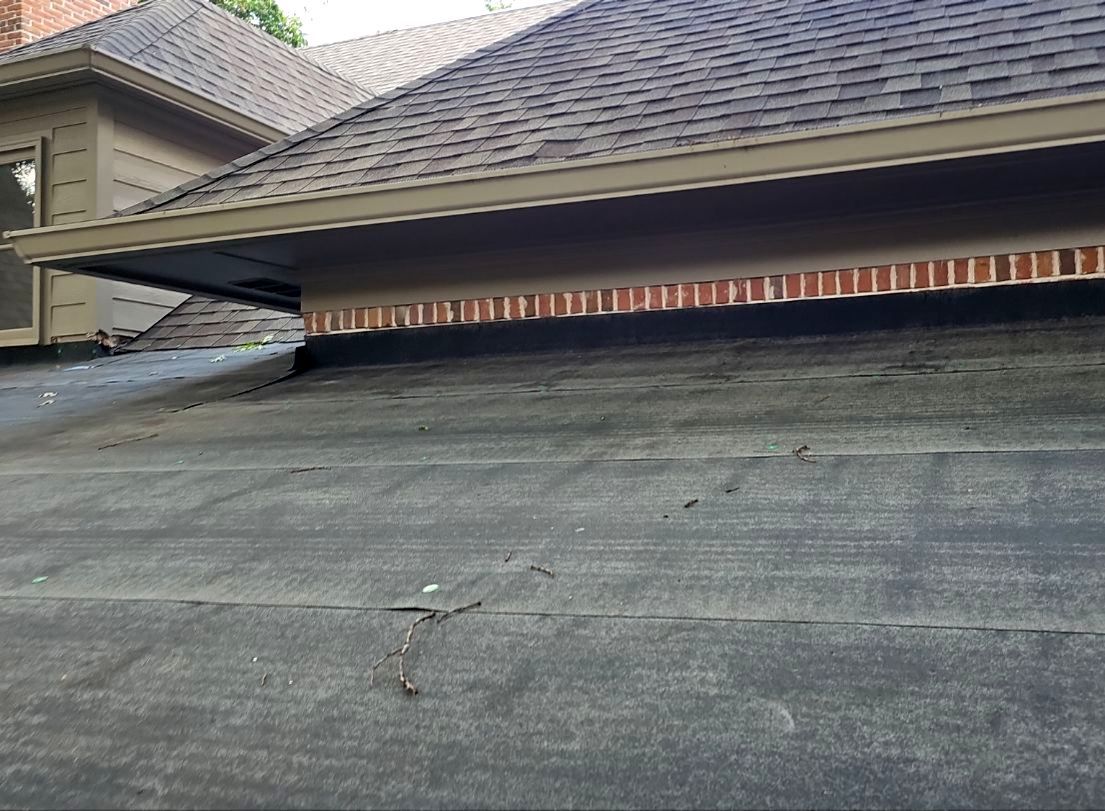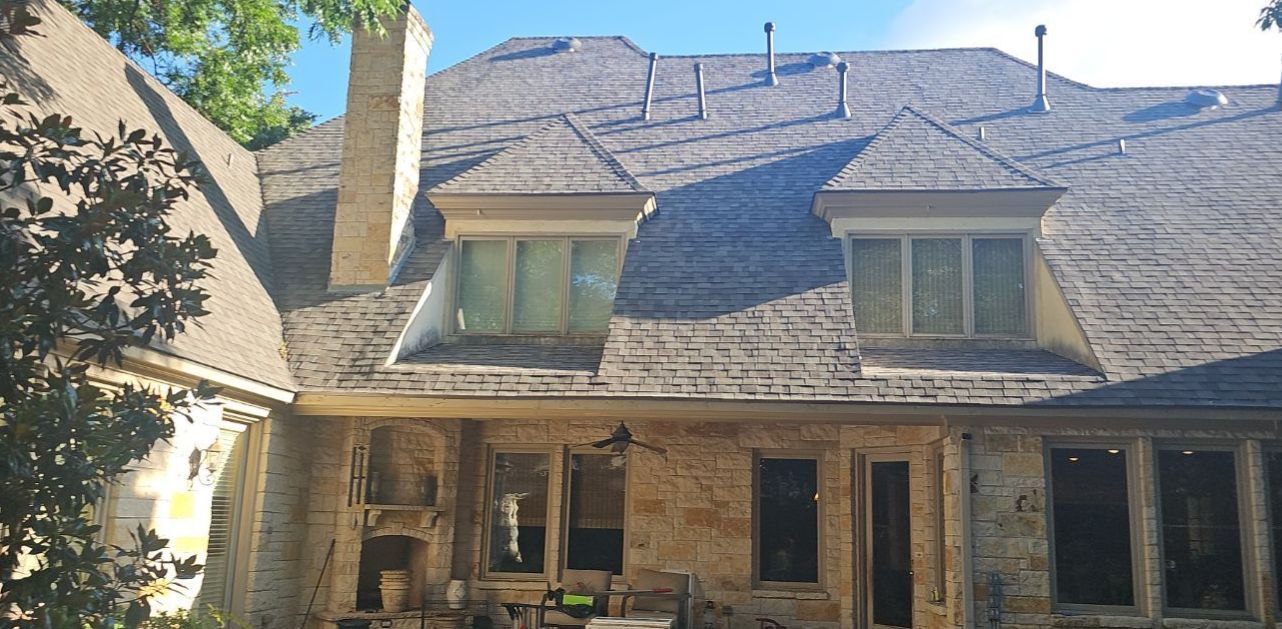
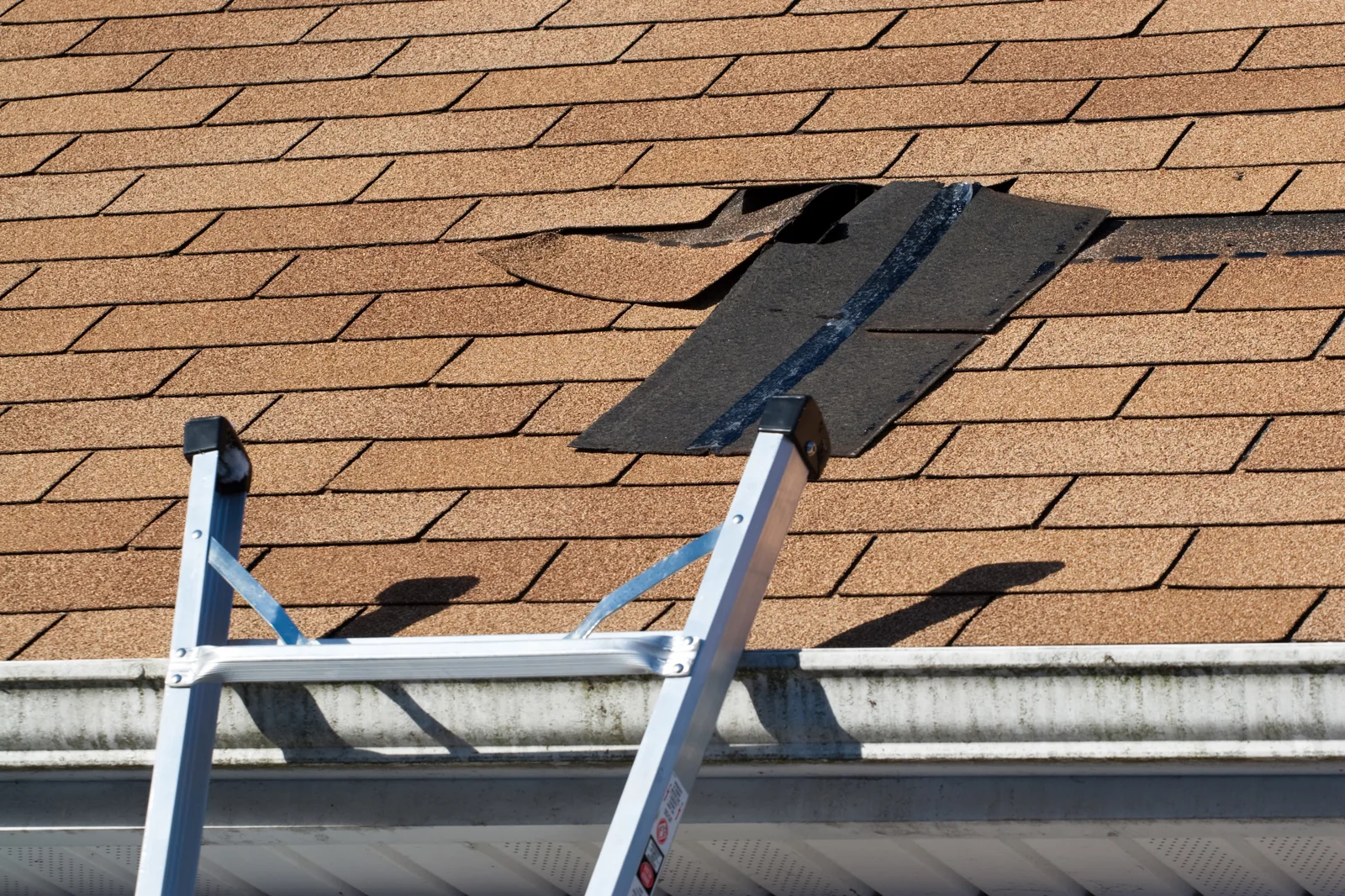
You will notice every home on the block has flashing on the roof. Flashing is an integral part of the roofing system. It protects the roof from moisture and water damage, especially on sloped roofs.
Without flashing, you may end up dealing with leaks, moisture, mold, and algae growth over time. It is best to have a professional install and maintain flashing for the best long-term results.
How Roof Flashing Works
Flashing is meant to protect against water intrusion. On a sloped roofing system, flashing is installed at the valleys, around dormers, and anywhere a pipe penetrates the roof.
In these areas, caulking alone is ineffective. Water and weather work through caulking quickly. Flashing solves the same problem with metal instead of sealant.
Typically, flashing is galvanized steel, aluminum, or copper. It is also not uncommon to find nonmetal flashing, such as rubber or plastic at vent boots.
The Four Common Types of Flashing
Valley flashing. The most common type. Installed between the outer layer and underlayment where two roof planes meet. The inverted T-shape moves rainwater downward without letting it pool.
Continuous and step flashing. Used on dormers and walls that intersect the roof. Continuous flashing is a horizontal piece installed on a side that drains to the gutter. Step flashing is installed in overlapping pieces on the sloped side, working with the shingle course as it climbs.
Drip edge. A common type of flashing used at the roof edge. The inverted L-shape prevents rainwater from being drawn back under the shingles. For why this is the most-botched piece of metal on a typical Dallas roof, see our post on drip edge.
Vent pipe flashing. A rubber boot or cone-shaped flashing installed around the base of an exhaust vent. The rubber gasket is also the part that fails first in 100-degree Dallas summers, so it’s worth inspecting every few years.
Get It Inspected If You’re Not Sure
If you have not had your flashing looked at in a few years, or if you have noticed any water staining on the underside of the roof deck or interior ceilings, call Bert Roofing at 214-321-9341. We will send a project manager out to inspect the roof and put the findings in writing.