I don’t enjoy getting a bad review, especially when I believe we did the work we agreed to do.
One of Bert Roofing’s one-star Google reviews involved a roofing project that also included some siding replacement and painting. The homeowner expected us to paint the entire exterior of his house. Our proposal covered painting the siding areas we were repairing.
That is a substantial difference in both work and cost.
What happened
The homeowner said his other proposals included whole-house painting and that he had been told ours would include it too. He believed the painting had been left out of the contract and that he was being asked to pay extra for work already agreed upon.
I reviewed the original estimate and signed contract. Both described roofing, limited siding replacement, and painting those repaired areas. Whole-house painting was not included, and the scope did not change between the estimate and the contract.
Our salesperson remembers the homeowner mentioning another contractor’s offer to paint the entire house, but says he did not offer to include it in our price. The homeowner remembers the discussion differently. I relied on the written proposal to determine what we had agreed to provide.
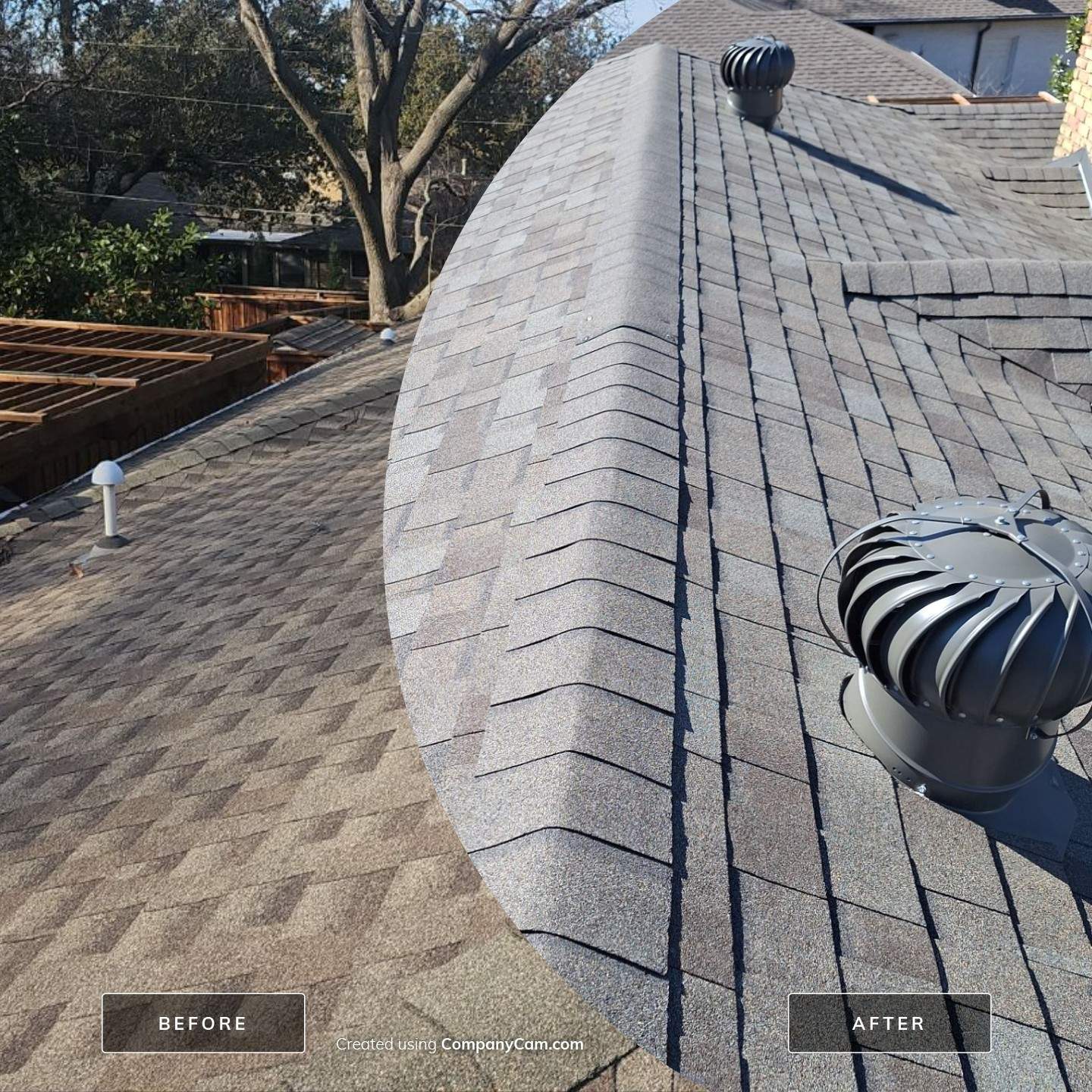
The roofing work was completed as outlined in the agreement. The homeowner ultimately chose not to have us perform the limited painting work, and that charge was removed from the invoice.
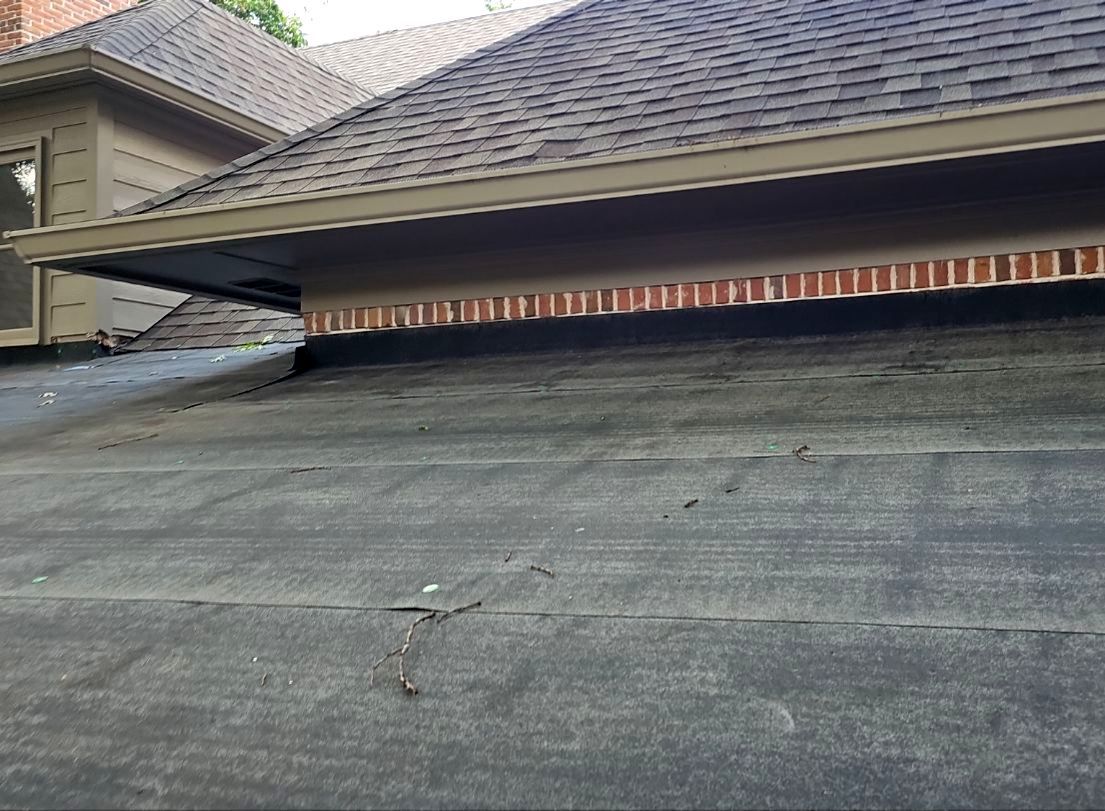
The photo accompanying the review showed an area left unpainted after that work was removed from the bill. It was not painting we had charged for and left unfinished. That explains the photograph, although it does not resolve the disagreement about what he expected.
Why we put the work in writing
We put the work in writing so the homeowner and our company have the same description of the job. It identifies what we are agreeing to do and what the price covers.
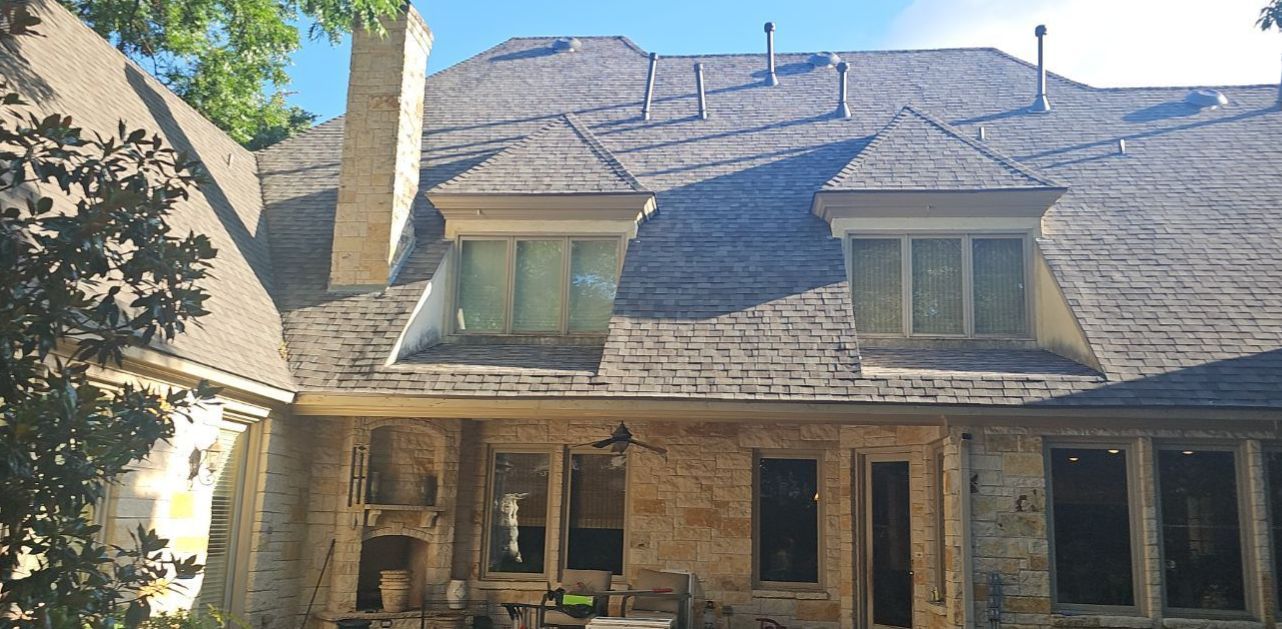
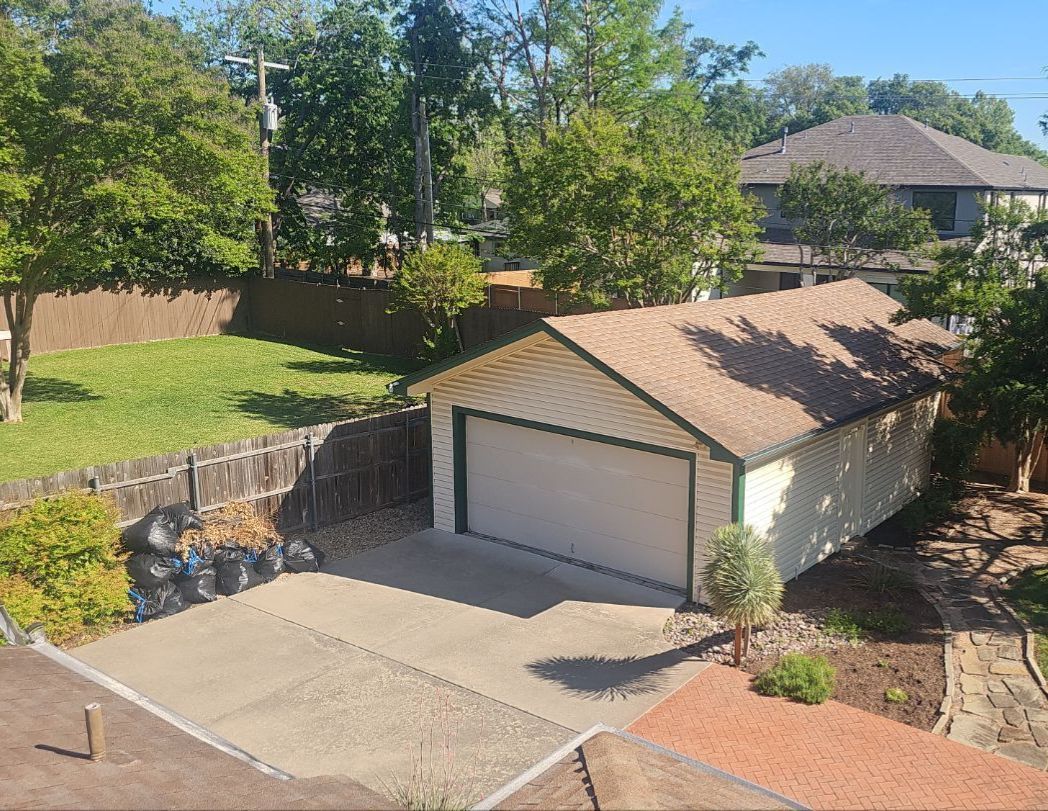
We often work on older properties with detached garages. Sometimes we roof both the house and the garage. Sometimes we roof only the house. With multiple structures, the proposal needs to identify which ones are included and which are not.
Simply referring to “the roof” leaves too much to interpretation. If the garage is not included, the proposal needs to say so.
Painting needs the same precision. Painting the siding we replace is different from repainting the entire exterior. Both may be called “painting” in conversation, but the labor and materials are not the same.
Where an extra sentence helps
The part I would pay closer attention to on a similar job is the discussion about the other estimate. Whole-house painting had already come up.
When a homeowner mentions work included in another estimate, we need to address whether our proposal covers it too.
For this type of painting work, that means stating that we are painting the replacement siding and not the remaining exterior.
I’m not talking about ten pages listing everything we won’t do. I’m talking about a sentence addressing work the homeowner has already mentioned, while there is still time to settle the question before the job starts.
Comparing estimates
Bert Roofing does not try to win every project by being the lowest bidder. We price the work we are proposing to perform.
Before comparing the totals, check whether the estimates cover the same work. One may include both the house and detached garage, while another covers only the house. Gutters, siding, and painting can differ just as much.
A request to match another proposal needs to be specific about those differences. Agreeing on a total price is not enough if the homeowner and contractor are thinking of different jobs.
Before the job starts
Before accepting a proposal, ask the contractor to point out where any work you are counting on is described. If a conversation changes the job, get the written proposal updated before work begins.
On our side, we need to describe the work plainly and give particular attention to significant exclusions, especially when a customer has already raised the subject.
I stand behind the work we agreed to provide on this project. I also recognize that the homeowner expected something different. I’d rather find that out while we’re discussing the proposal than after the roof is finished.
On a lighter note
Years ago, when we first started advertising on Facebook, someone left us a negative review because our ad had appeared in their feed.
The complaint wasn’t about a roof or a repair. It was essentially, “Get out of my feed,” expressed a little more forcefully.
It irritated me at the time. Looking back, it’s funny. We had paid to introduce ourselves and received a bad review for showing up.