Where Roofing Contracts Get Misunderstood
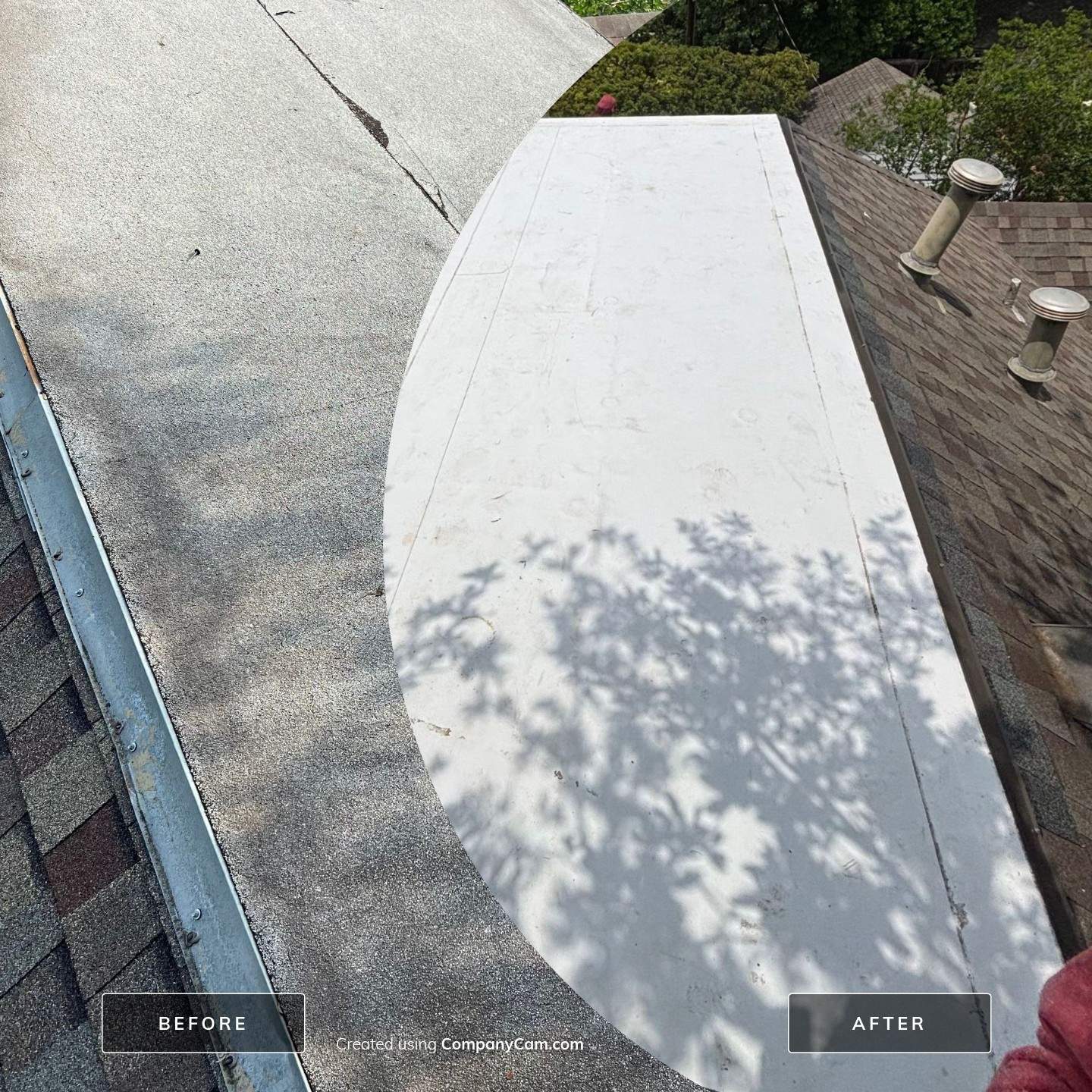
Many homes are not one simple roof system. A common setup is a steep slope shingle roof with a small low slope section, often over an addition. That low slope area may require a different material, such as modified bitumen or standing seam metal. A contract that simply says “replace the roof” is incomplete. A contract that says “install GAF Timberline shingles” is better, but still leaves room for interpretation. Shingles are appropriate for steep slope. They are not appropriate for low slope. A proper contract should clearly state what material is used on steep slope and what material is used on low slope. If that is not defined, assumptions fill the gap. Another common issue is multiple structures on a property. Does the contract include the main house only, or does it also include a detached garage, a workshop, or guest quarters? A vague scope like “replace roof” does not answer that question. A clear contract will identify each structure and whether it is included or excluded. Not all slopes are treated the same, even within a shingle roof. A 3:12 slope can take shingles, but it requires additional protection such as ice and water shield. That is a different installation standard than a typical steeper roof. A contract should specify where upgraded underlayment is used. For example, ice and water shield on low slope sections and standard synthetic underlayment elsewhere. Without that level of detail, it becomes unclear whether upgraded materials apply to part of the roof or the entire system. More material does not just change performance. It changes cost. That is why scope needs to be specific.
What’s Not Included Matters Just as Much
Most contracts focus on what is included. Just as important is what is not. If something is not part of the project, it should be stated clearly. That can include detached structures, additional buildings, painting, or other trades that are outside the scope of the roofing work. It can also include sections of the roof that are being deferred or handled separately. Without that clarity, it is easy to assume something is part of the job when it was never intended to be. A clear contract defines both what is being done and what is not being done. If it is not clearly written, it is open to interpretation. And interpretation is where problems start.
Why Written Scope Matters
The contract is the reference point for the project. It defines what work is being performed, what materials are being used, and what the price is based on. When scope is clearly written, there is less room for confusion. When it is vague, different people can walk away with different expectations of the same job.
How to Avoid Misunderstandings
If you are reviewing a roofing proposal, a few simple checks help. Ask whether the scope is full or partial. Look for quantities such as square footage or linear feet. Confirm materials for each section of the roof. Identify anything that is specifically excluded. Make sure any changes are added in writing before signing. These steps do not take long, but they prevent most issues later.
The Bert Roofing Approach
We focus on written scope first. That means clear line items, defined materials for each section of the roof, and specific inclusions and exclusions. The goal is simple. Everyone should know exactly what is being done before the work starts. A roofing contract does not need to be complicated. It just needs to be clear. It is easy to do a revision, never hesitate to ask for one if needed. Common Xactimate Errors No Insurance Deductible Roofing