Managing any roof replacement requires more than simply installing shingles. Occasionally, an unrelated problem appears at almost the same time as the roofing project, making it easy to assume the two events are connected.
That was exactly what happened on this Casa View home.
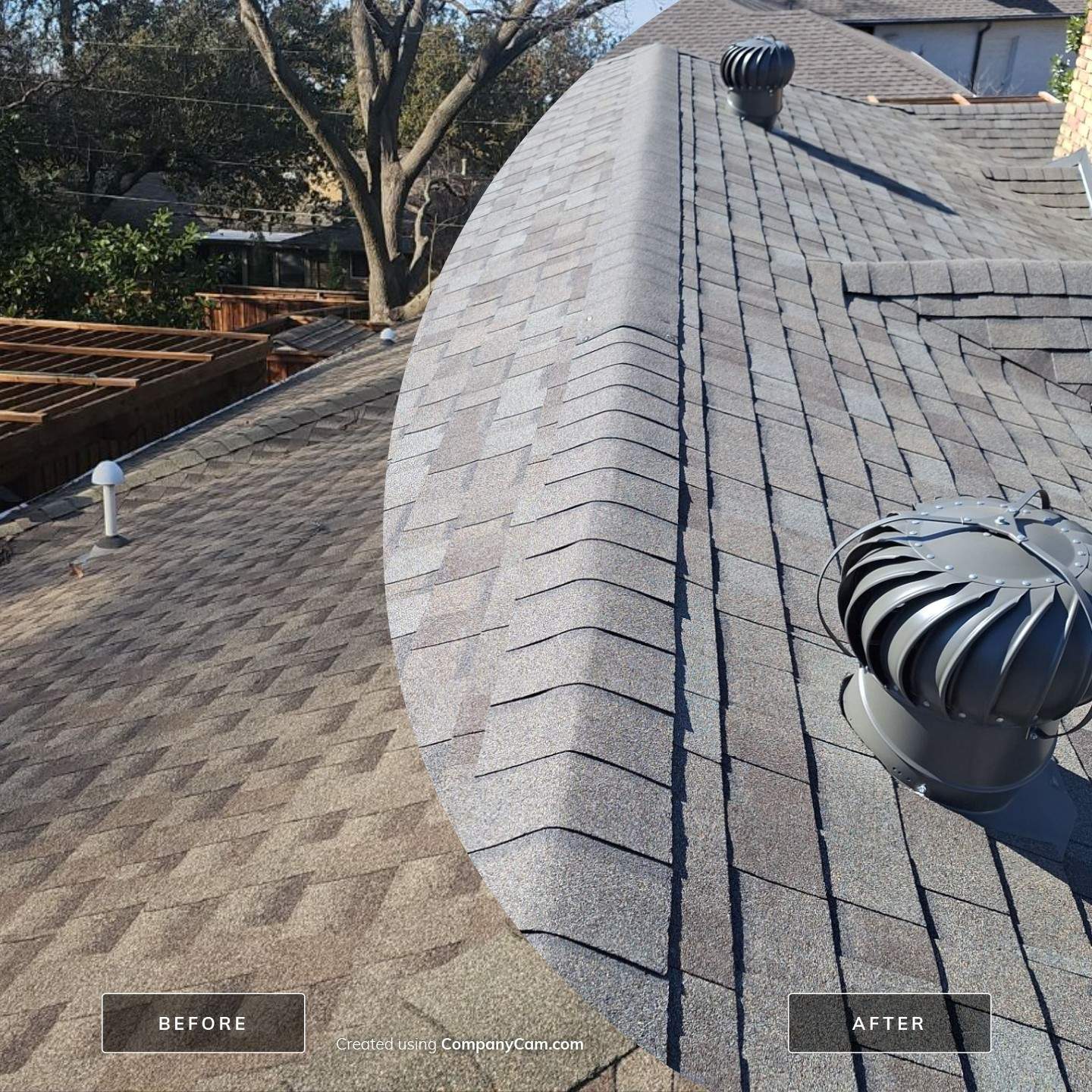
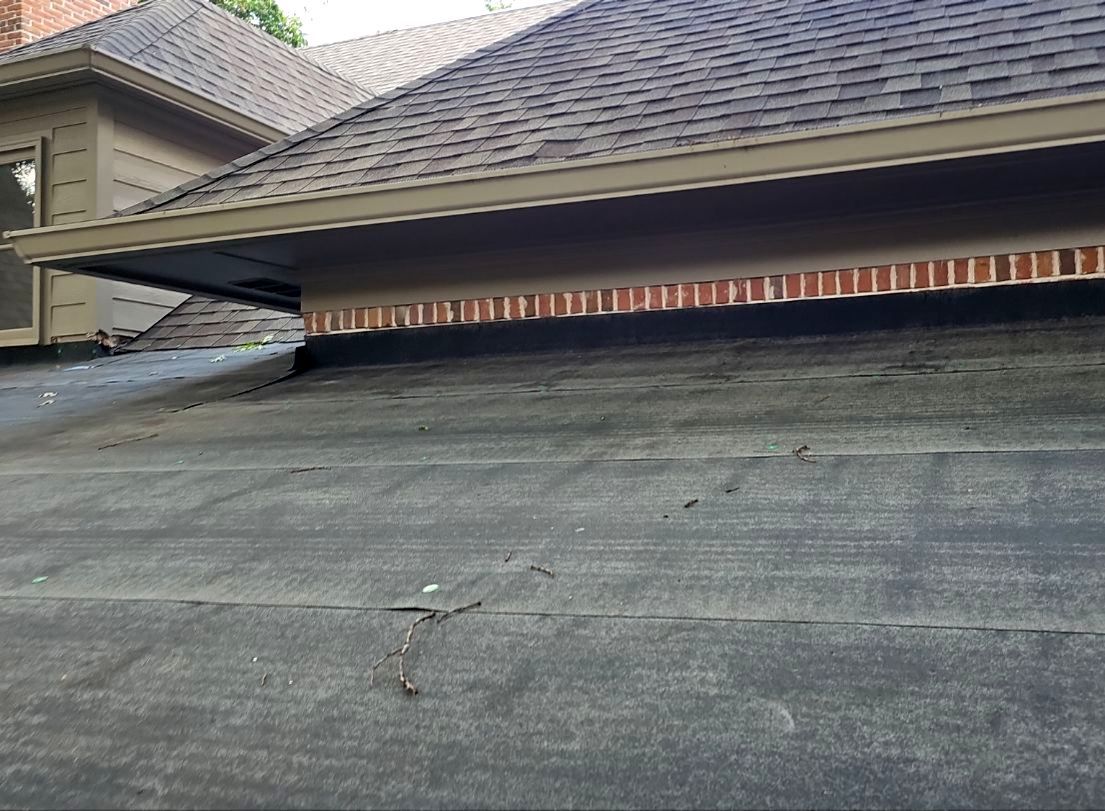
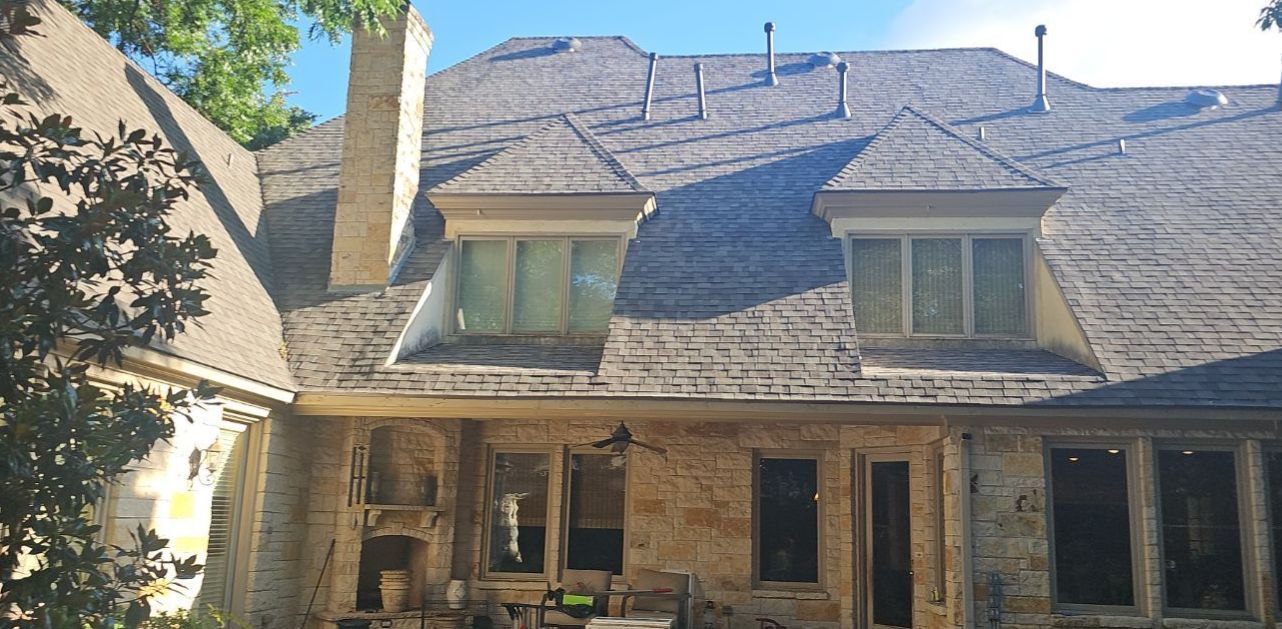
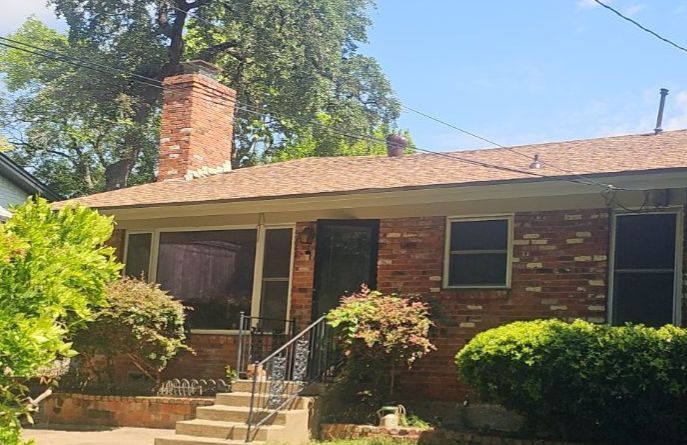
The existing roof had reached the end of its service life. We removed the old roofing, inspected the deck, replaced deteriorated decking where needed, and installed a new Owens Corning Oakridge roofing system in Desert Tan. The completed project also included replacement of several sheets of damaged roof decking discovered during the tear-off.
The roof replacement itself went smoothly.
Then the air conditioner stopped cooling.
Naturally, everyone asked the same question:
Did a roofing nail puncture the refrigerant line?
Frequently Asked Questions About Roofing Nails and Refrigerant Lines
Are roofing nails supposed to penetrate through the roof deck?
Yes.
Many homeowners are surprised to learn that roofing nails are designed to penetrate the roof decking. That is exactly how asphalt shingles are intended to be installed.
The most common roofing nail used for laminated asphalt shingles is 1¼ inches long. That was also the nail length used on this project.
Building codes require roofing fasteners to adequately penetrate the roof sheathing. On a typical home with nominal ½-inch plywood or OSB roof decking, a 1¼-inch roofing nail will normally extend through the underside of the decking. That is normal and expected.
This house, however, had a somewhat different construction. Like many older Dallas homes, it originally had 1x board decking with approximately ½-inch OSB installed over the top during an earlier reroof. In most locations, that created roughly 1¼ inches of combined deck thickness before accounting for the shingles and underlayment.
Can a refrigerant line be installed directly beneath the roof deck?
It can, but modern building codes require protection if it is close enough to be reached by roofing fasteners.
The International Residential Code requires refrigerant piping installed within 1½ inches of the underside of the roof deck to be protected from damage caused by nails and other fasteners.
That protection may involve rerouting the piping, maintaining additional clearance, or installing an approved steel protective shield.
Why is that protection required?
Because roofing nails are intentionally driven into the roof deck during normal installation.
A roofer cannot see concealed wiring, plumbing, or refrigerant lines beneath the decking. Mechanical systems installed near the roof deck must therefore be protected from ordinary roofing fasteners.
Does an air conditioner blowing warm air prove a roofing nail punctured the refrigerant line?
No.
A loss of refrigerant is only one possible cause.
An air conditioner may also stop cooling because of a failed capacitor, contactor, compressor, electrical component, existing refrigerant leak, evaporator coil leak, or other mechanical problem.
The timing may justify an investigation, but it does not establish the cause.
Why We Took the Concern Seriously
Because the air conditioner stopped cooling immediately after the roof replacement, we had to consider the possibility that a concealed refrigerant line had been damaged.
Even if a refrigerant line had been installed improperly or without adequate protection, the practical reality remained the same: the tenant was uncomfortable, and the property owner deserved an answer as quickly as possible.
Our first priority was not assigning blame.
Our first priority was determining what actually happened.
We confirmed that standard 1¼-inch roofing nails had been used and reviewed the roof construction. The combined deck thickness made a puncture unlikely in most areas, although we wanted to verify the actual routing of the refrigerant line before drawing any conclusions.
Rather than speculate, I returned to the property the following morning to investigate.
The Investigation Changed Everything
The home is a 1960s pier-and-beam structure.
In many Dallas homes, refrigerant lines travel upward into the attic and serve an air handler installed above the ceiling. In those situations, refrigerant lines can sometimes be located near the underside of the roof deck.
That was not the case here.
After examining the exterior of the home, it became apparent that the insulated refrigerant line entered the house near ground level adjacent to the outdoor condenser.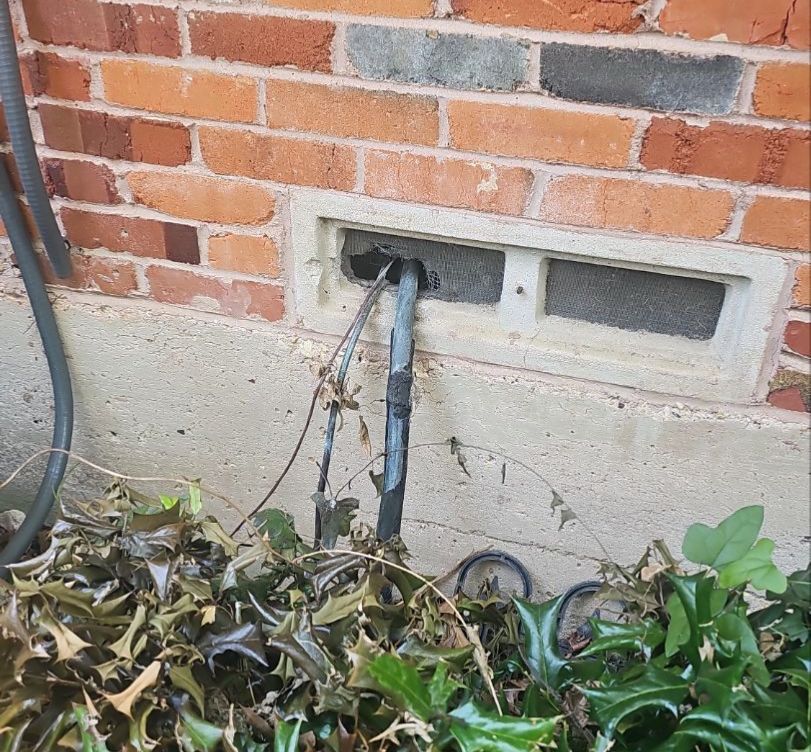
Instead of traveling into the attic, the line appeared to continue beneath the house through the pier-and-beam crawlspace before reaching the indoor air handler.
The exterior photographs clearly documented the low wall penetration and the refrigerant-line routing.
Once we confirmed that routing, the original concern no longer made sense.
A roofing nail driven into the roof simply could not have contacted a refrigerant line located beneath the house.
The air-conditioning problem and the roof replacement happened at nearly the same time, but timing alone does not prove one caused the other.
Why Investigation Matters
Construction projects involve many different building systems working together.
Roofing, HVAC, plumbing, electrical, and framing are often installed years apart by different contractors.
When a problem develops during or shortly after a construction project, it is tempting to assume the most recent contractor caused it.
Sometimes that assumption is correct.
Sometimes it isn’t.
The only responsible approach is to investigate the facts before reaching a conclusion.
In this case, taking the time to understand how the house was actually built completely changed the analysis.
Another East Dallas Roofing Project Completed
The roof replacement itself was completed successfully, including replacement of deteriorated roof decking and installation of a new Owens Corning Oakridge roofing system.
Just as importantly, when an unexpected concern arose after the project, we responded quickly, investigated the situation, and followed the facts rather than making assumptions.
That’s the approach we bring to every roofing project in Dallas.
This home is owned by a California investor, and we’ll soon be publishing a separate guide on roofing services for rental property owners and out-of-state investors.