
A coordinated roof replacement for an older Dallas home
This roof replacement involved a fairly straightforward roofing system, but the project required more coordination than an ordinary reroof.
The home is in Dallas’s Junius Heights Historic District, a neighborhood established in 1906 as a streetcar development and designated a Dallas Landmark District in 2006. The older homes, mature trees, close lot lines, and distinctive front-gabled architecture are part of what gives Junius Heights its character. The City of Dallas provides additional information about the Junius Heights Historic District here.
The homeowner was preparing the property for sale and lived out of state. That made documentation, communication, and a dependable payment process especially important.
Historic-district approval came first
Because the home is located in Junius Heights, the roof replacement required approval from the City of Dallas Office of Historic Preservation.
The Certificate of Appropriateness classified the project as:
Routine Maintenance - Approved
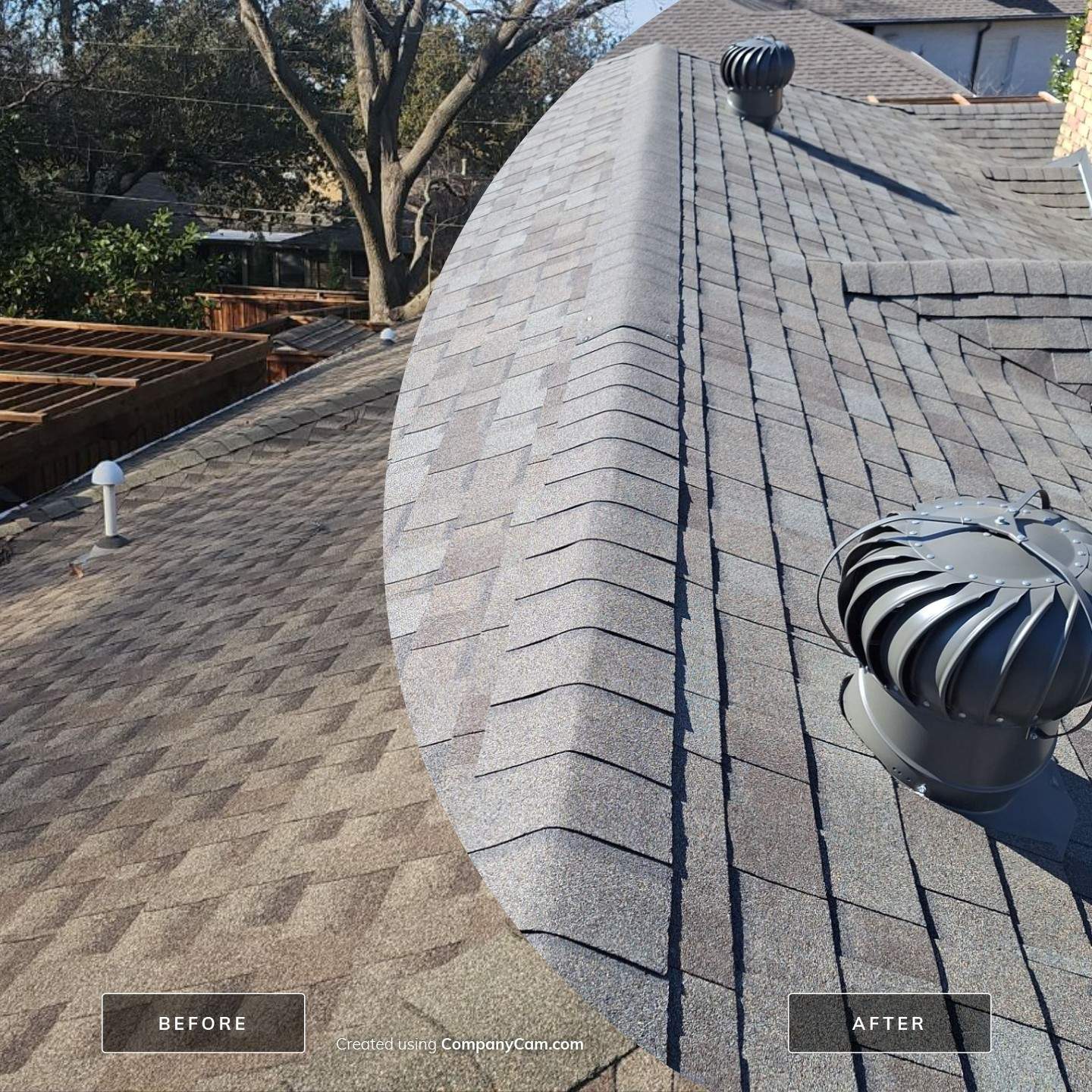
The approval covered replacement of the existing roof with Oakridge composite shingles in Desert Tan to match the existing roof. The City’s roofing permit was issued shortly afterward and specified a reroof only, with no layout or structural changes.
For a historic-district property, replacing the roof with the same general material and a compatible color is usually the most efficient approach. There may be other technically suitable roofing products, but introducing a different appearance can create unnecessary complications during the approval process.
The final material order used Owens Corning Oakridge architectural shingles in Desert Tan. The project also included new underlayment, ice and water protection in the valleys, new drip edge, flashing work, and three turbine vents.
Foundation work should come before roofing
The roof replacement was delayed while another contractor completed foundation work.
That sequence was intentional. Foundation work can involve lifting, jacking, or otherwise moving portions of the structure. If both foundation and roofing work are planned, the foundation work should generally be completed first, followed by the roof replacement.
A competent foundation contractor should take care to protect the roof, but there is no reason to put a newly installed roof through the possibility of movement, vibration, or related disruption. Roofing work does not normally disturb the foundation, so completing the foundation work first reduces the risk of one project affecting the other.
This is a small scheduling detail, but it matters when multiple contractors are working on an older home.
The house roof and garage were separate projects
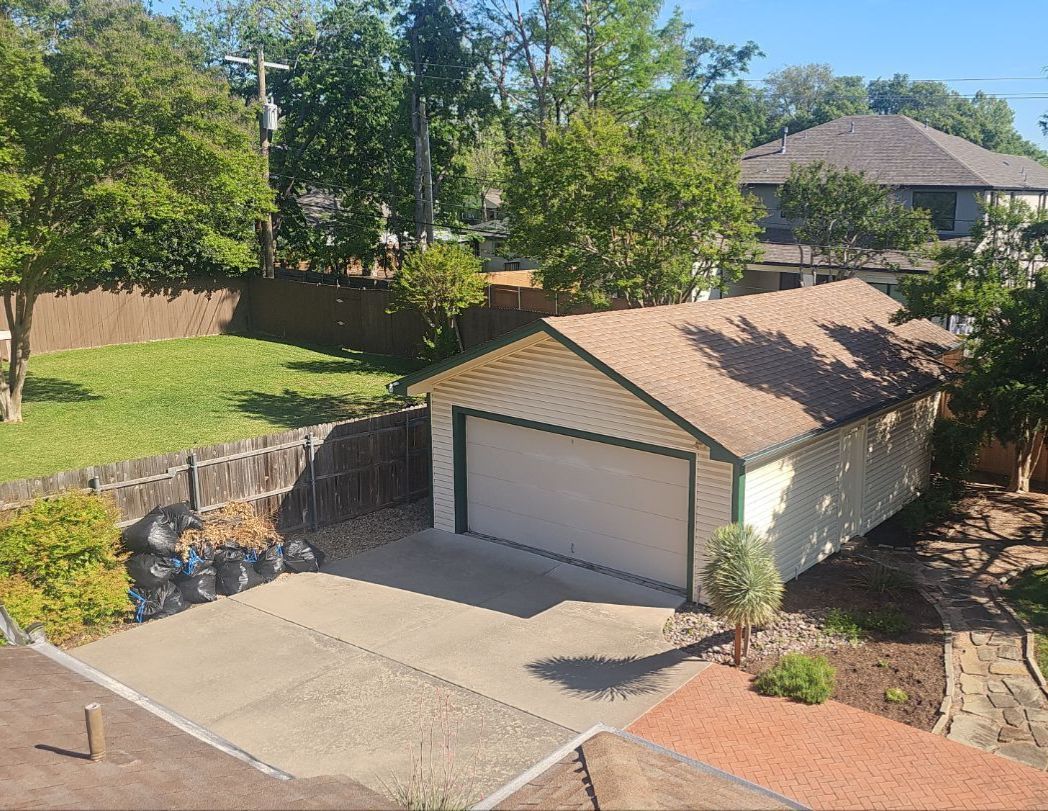
Bert Roofing replaced the roof on the house only. The detached garage was not included in this project because it had solar panels and was being handled on a different schedule.
This distinction was included clearly in the written estimate. When a property includes a house, garage, addition, solar equipment, or other roof-mounted items, it is important for the owner and contractor to define exactly which structures are included.
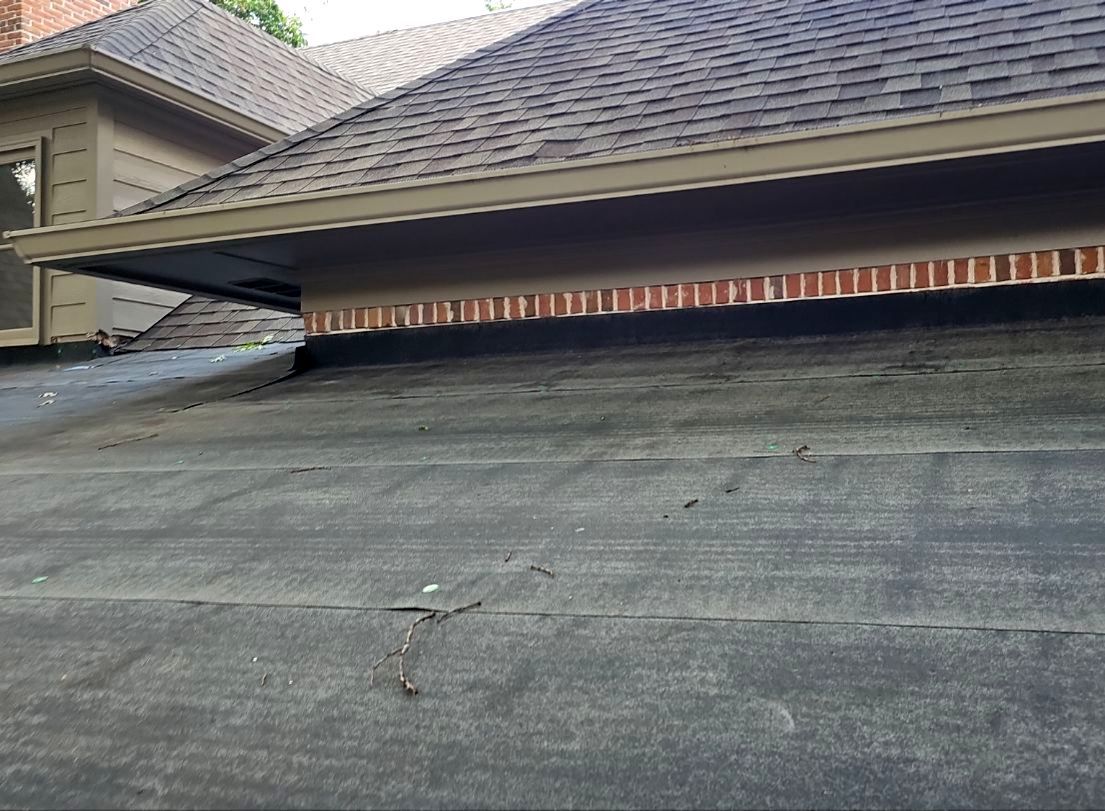
Modified bitumen was used on the rear addition
The rear addition included a low-pitched roof section. Its slope was near the lower end of the range where shingles might be considered, but modified bitumen was the better choice for this particular project.
The existing low-slope section already used a modified-bitumen system. Replacing it with the same general type of roofing kept the project consistent with the existing construction and avoided introducing an unnecessary change to a historic-district property.
The addition was installed with self-adhered SBS modified-bitumen base and cap sheets in a compatible color. In this case, matching the existing system was more practical than changing materials simply because another option might have been technically possible.
A roofing project managed from out of state
This project also illustrates how a roof replacement can be handled when the property owner is not located in Dallas.
Bert Roofing provided the homeowner with a written estimate in PDF format before the work began. The project was documented throughout with CompanyCam photographs, including the existing roof, materials, tear-off, installation, and completed work.
The project was financed through Service Finance. Bert Roofing participates as a dealer and affiliate through the Owens Corning Preferred Contractor Program. Once the work was complete, the homeowner received photographic documentation and the required completion forms. The homeowner then notified Service Finance that the work had been completed, and Service Finance paid Bert Roofing directly.
That process eliminates the need for an out-of-state owner to be physically present at the property to coordinate payment or verify the work. The same general convenience is available when financing is not used. Bert Roofing can accept checks or online payments through a payment portal, with applicable credit-card fees.
For an owner living in another state, the practical issue is trust. The contractor must provide a clear written scope, consistent communication, reliable documentation, and a process that does not depend on the owner being present every day.
Bert Roofing has been working on North Texas homes since 1988. That history, combined with detailed project documentation and established payment procedures, helps make remote roofing projects more manageable for property owners.
Frequently asked questions
Can Bert Roofing replace a roof in the Junius Heights Historic District?
Yes. Roof replacement in a historic district may require a Certificate of Appropriateness and a building permit. The specific requirements depend on the property and the proposed materials, color, and scope of work.
Why should foundation work be completed before roof replacement?
Foundation work can involve movement, lifting, and vibration within the structure. Completing that work first reduces the possibility that a new roof will be affected by later structural work.
Can Bert Roofing manage a roof replacement for an out-of-town homeowner?
Yes. Bert Roofing provides written estimates, coordinates the work, documents the project with CompanyCam photographs, and provides completion documentation. The owner does not need to be present at the property throughout the project.
How does financing work for an out-of-state property owner?
Through the Service Finance program, the homeowner completes the required financing and completion forms. After the work is finished and documented, the homeowner confirms completion with Service Finance, which then pays Bert Roofing directly.
How is the completed roof documented?
Bert Roofing photographs the project before, during, and after installation using CompanyCam. The completed documentation can be provided to the homeowner for personal records, future sale preparation, or communication with other parties involved with the property.