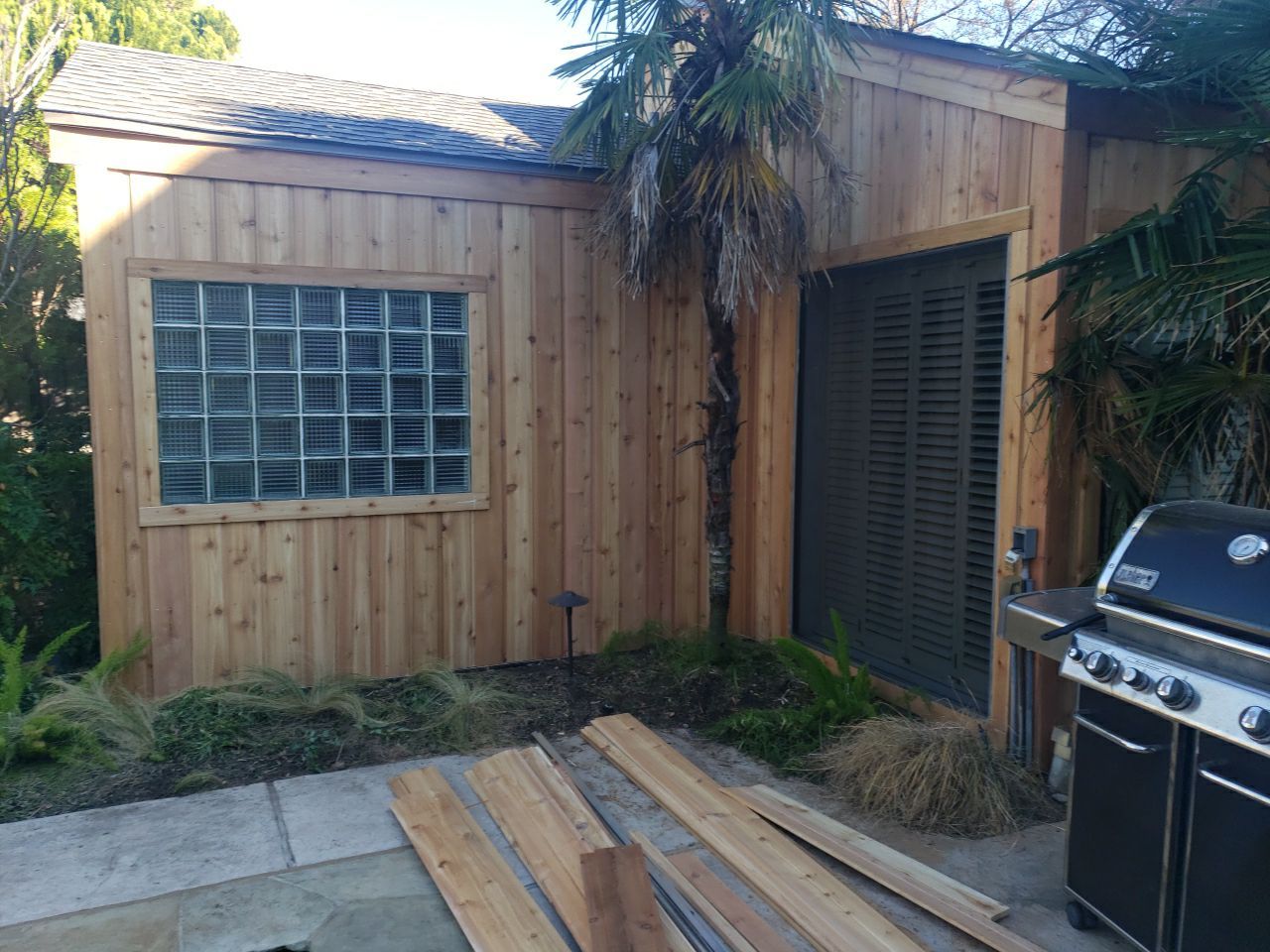
Lake Highlands Roof and Cedar Siding Restoration in 75231
Some roofing projects are worth documenting because of an unusual roof detail. Others are more interesting because of the history of the property and the amount of work that eventually becomes involved.
This home in the Pebble Creek area of Lake Highlands was both.
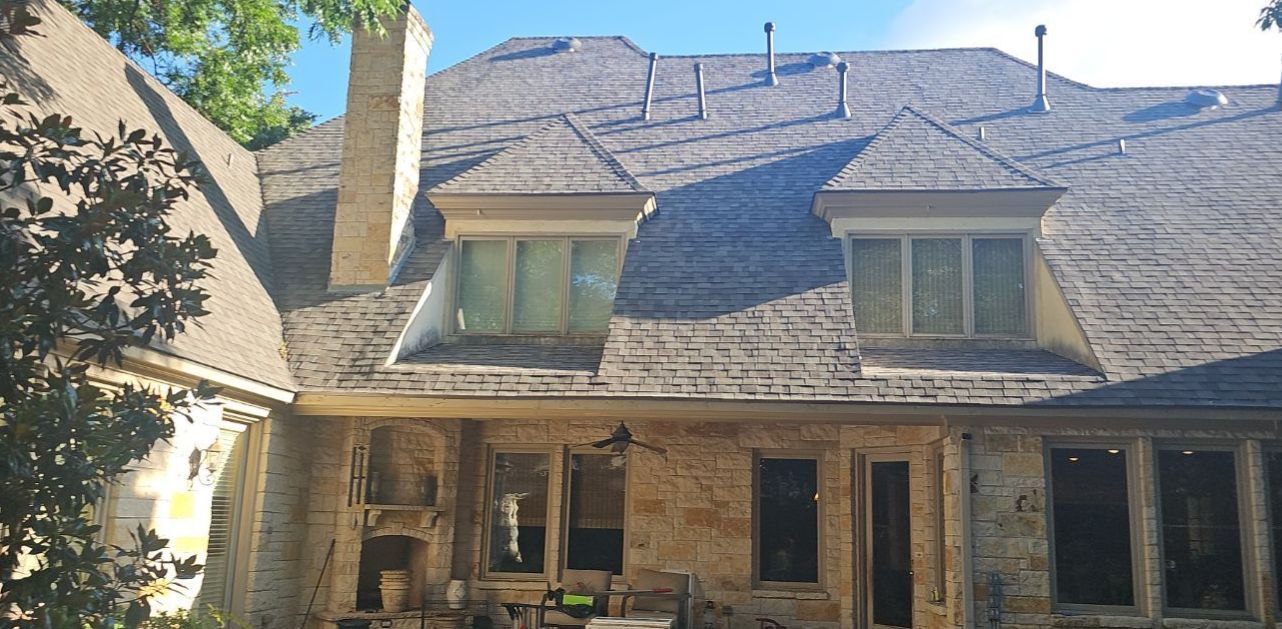
Bert Roofing had already replaced the roof once for a previous owner we knew well. Years later, after another significant hailstorm, we returned to the same property for a second roof replacement. This time, however, the project extended well beyond the roof. The insurance restoration ultimately included extensive cedar siding replacement, a damaged skylight, gutters and several other exterior items.
The siding became one of the most important parts of the job because the original insurance scope substantially underestimated what was actually installed on the house.
A Second Bert Roofing Roof on the Same Lake Highlands Home
The previous owners had selected Elk Prestige Plus shingles for the earlier roof. At the time, Prestige Plus was Elk’s heavier laminated shingle and was considered one of the company’s better residential products.
After Elk was acquired by GAF, that general product line continued for a period as GAF Timberline Ultra. When we inspected this home after the later storm, the existing roof was Timberline Ultra, and our records identified Bert Roofing as the original installer.
By the time this roof needed replacement, Timberline Ultra was not a particularly compelling choice. Its pricing was very close to GAF ArmorShield II, which offered Class 4 impact resistance. Given the potential insurance advantages and the relatively small difference in cost, most homeowners faced with that choice preferred the Class 4 option.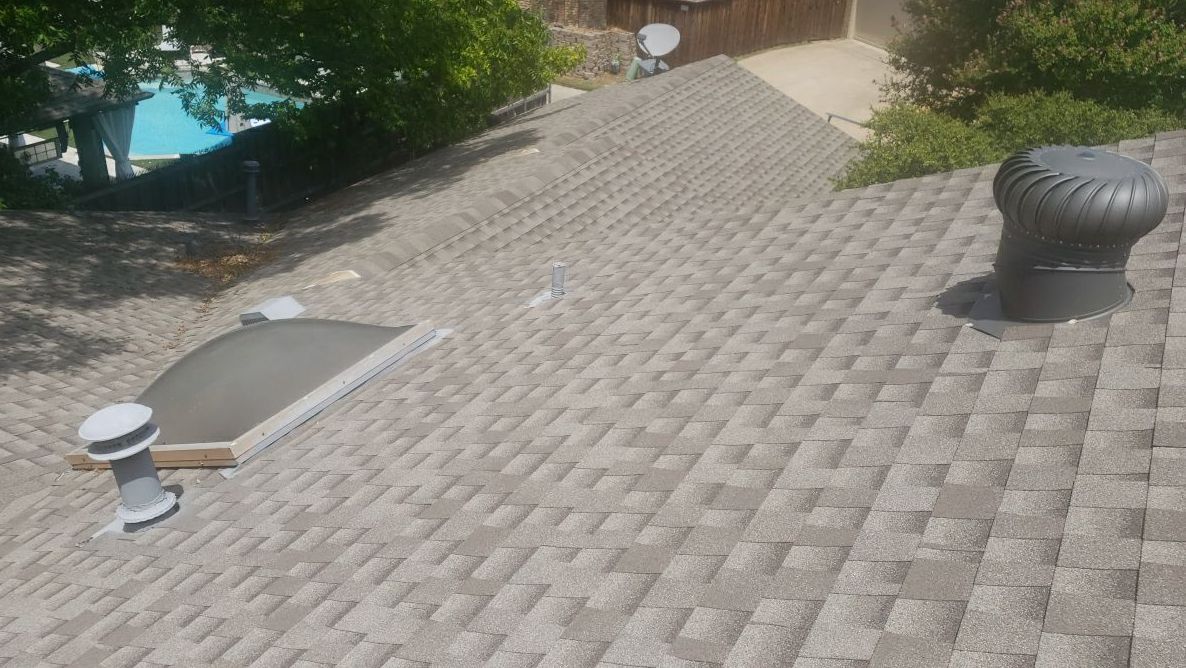
That was the decision here.
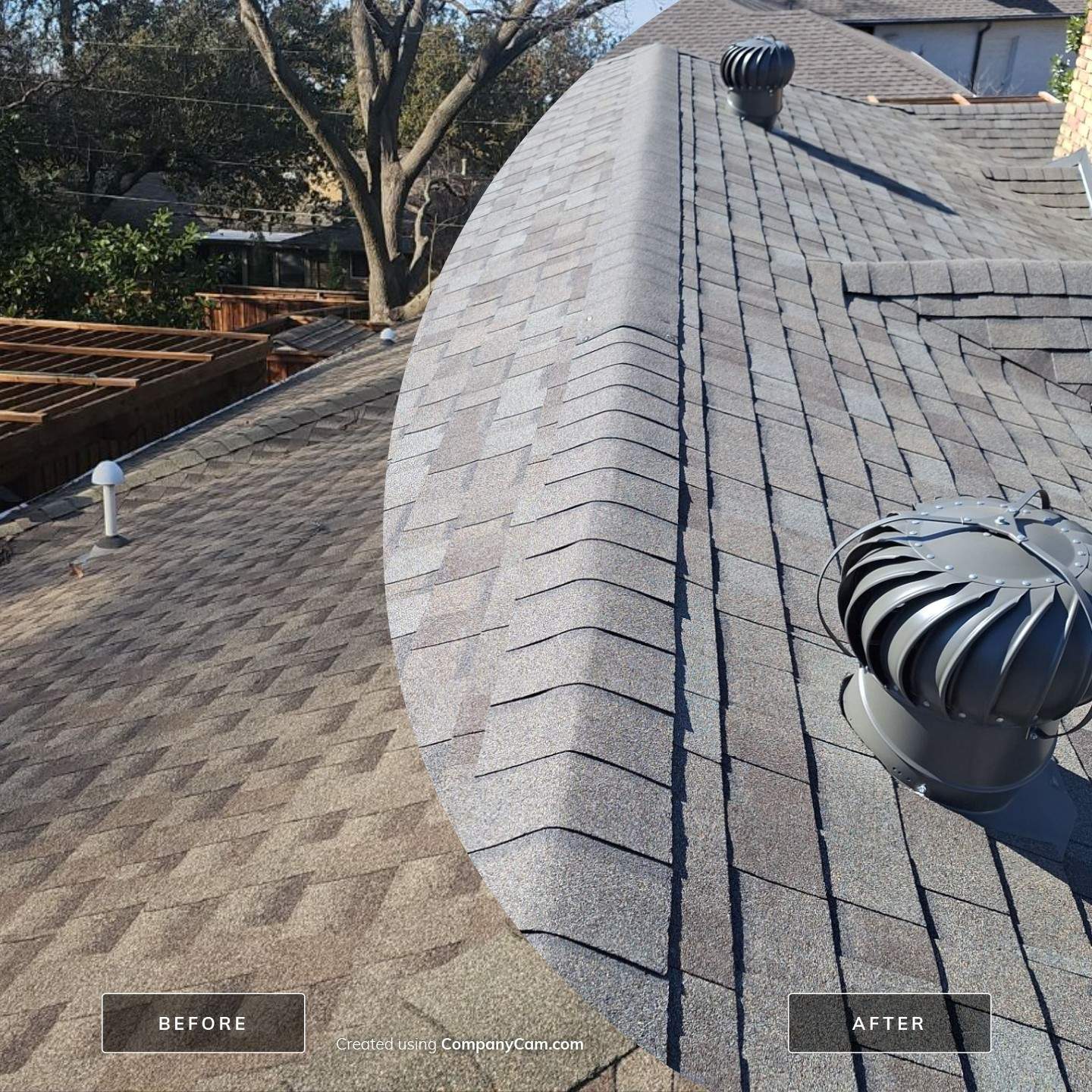
We installed GAF ArmorShield II in Weathered Wood. The roof measured approximately 44 squares, with roughly 449 linear feet of perimeter and 124 linear feet of ridge. The material order also included GAF Pro-Start starter, FeltBuster synthetic underlayment, StormGuard ice and water protection and impact-resistant ridge shingles.
The Bigger Issue Was the Cedar Siding
The roof was only part of the insurance claim.
The home had extensive cedar siding, particularly around the rear portions of the house. The original insurance estimate treated the siding as T1-11, a common sheet siding product that is substantially less expensive than the cedar actually installed on the home.
That distinction mattered.
The existing material was 1x8 cedar lap-and-gap siding, not T1-11. Because cedar costs considerably more in both material and labor, using the wrong siding category produced a scope that did not reflect the actual cost of restoring the house.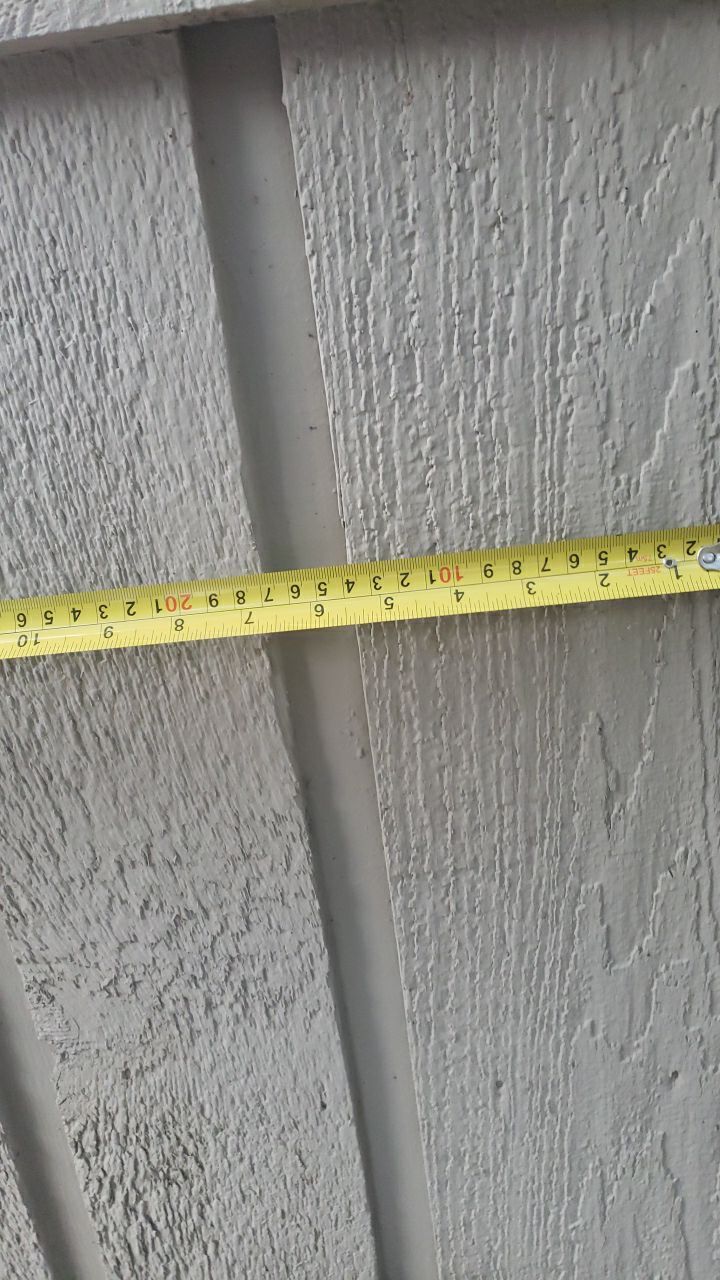
We went through a detailed supplement process documenting the existing construction and the appropriate replacement material. The revised insurance estimate ultimately recognized the siding as 1x8 cedar lap-and-gap and accepted the contractor’s siding bid.
This is a good example of why the description of damaged materials matters on an insurance restoration. Two products can both be called “wood siding” while having very different replacement costs.
Rebuilding the Cedar Exterior
The siding work was substantial rather than a small patch.
Our project records called for approximately 1,700 square feet of 1x8 lap-and-gap cedar, along with 1x4 cedar trim, cedar fascia, house wrap and stainless-steel fasteners. The siding scope alone involved a three-man crew working for an estimated two and a half weeks.
The photographs from the project show why this became such a significant portion of the restoration. Large areas of the rear elevation were stripped back before the new cedar was installed, including sections around windows, doors and the home’s large glass-block features. Later photographs show the fresh cedar wrapping these elevations before finishing.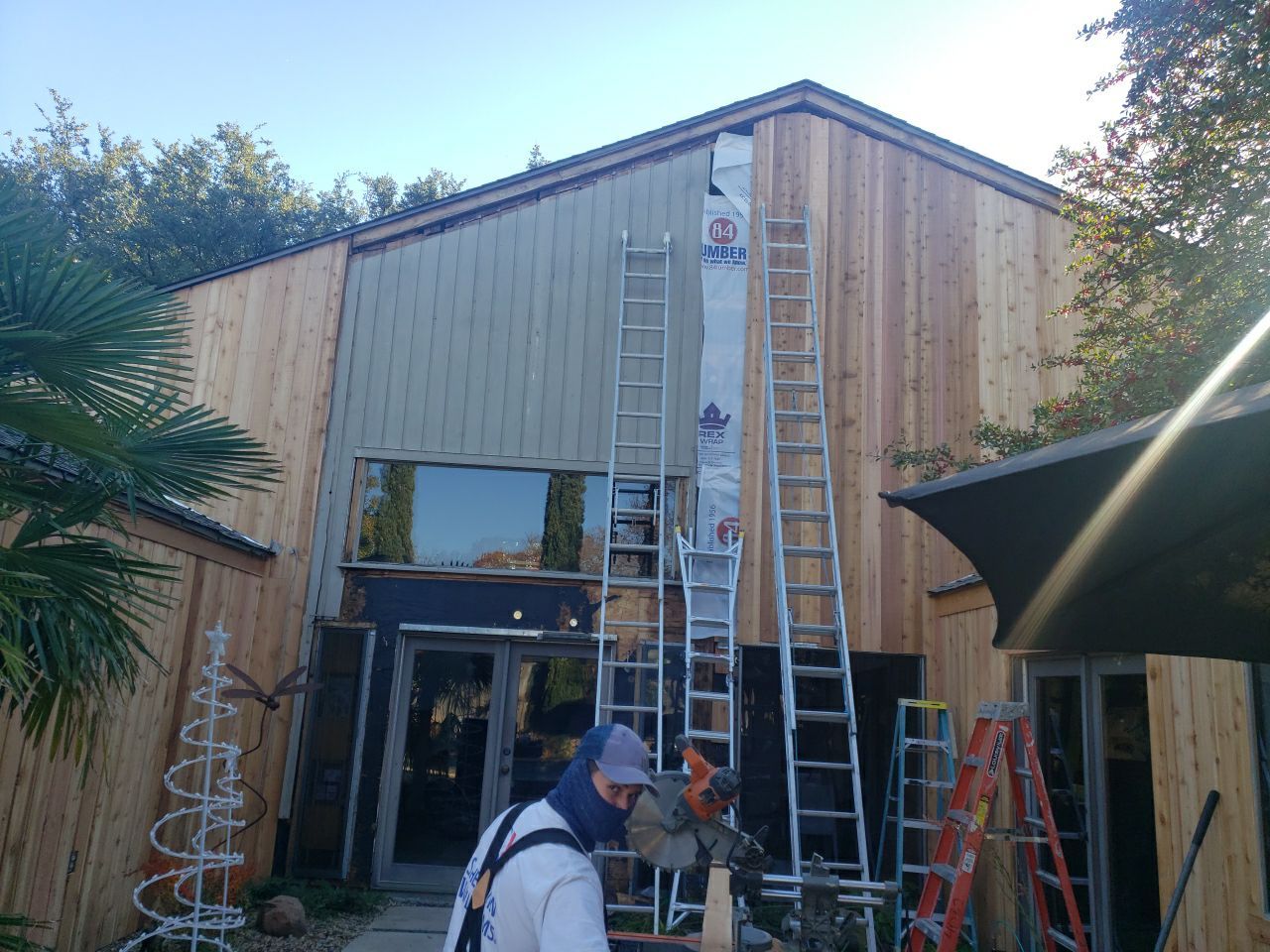
For a Lake Highlands home with this type of architecture, simply substituting a cheaper siding product would have noticeably changed both the appearance and the quality of the exterior.
More Than a Roofing Job
The hail damage affected several components of the property, so Bert Roofing served as the general contractor in addition to replacing the roof.
The work included a damaged skylight, gutters and downspouts, fascia and other exterior items. The insurance estimate also documented replacement of the large fixed skylight and its flashing system.
On projects like this, the roofing portion is often the most visible piece of the claim, but it is not necessarily the most complicated. Coordinating siding, roofing, skylights, gutters and related exterior work requires making sure the different trades come together properly rather than treating each component as an isolated repair.
That was particularly important here because of the amount of cedar siding adjoining rooflines, windows and other exterior details.
A Lake Highlands Project With Some History
We have worked throughout Lake Highlands for decades, and occasionally that means returning to a house where we installed the previous roof.
This Pebble Creek-area project in Dallas 75231 was one of those jobs. The history with the home was unusual, but what really made the project worth documenting was the combination of a Class 4 roof replacement with a substantial cedar siding restoration.
The roof itself was straightforward. The siding was not.
Correctly identifying the existing cedar, documenting it and getting the insurance scope adjusted to reflect the material actually on the home was a major part of restoring the property properly. The finished project ultimately involved far more than shingles and gave us a particularly good example of how roofing and exterior restoration often overlap on larger storm-damage projects.