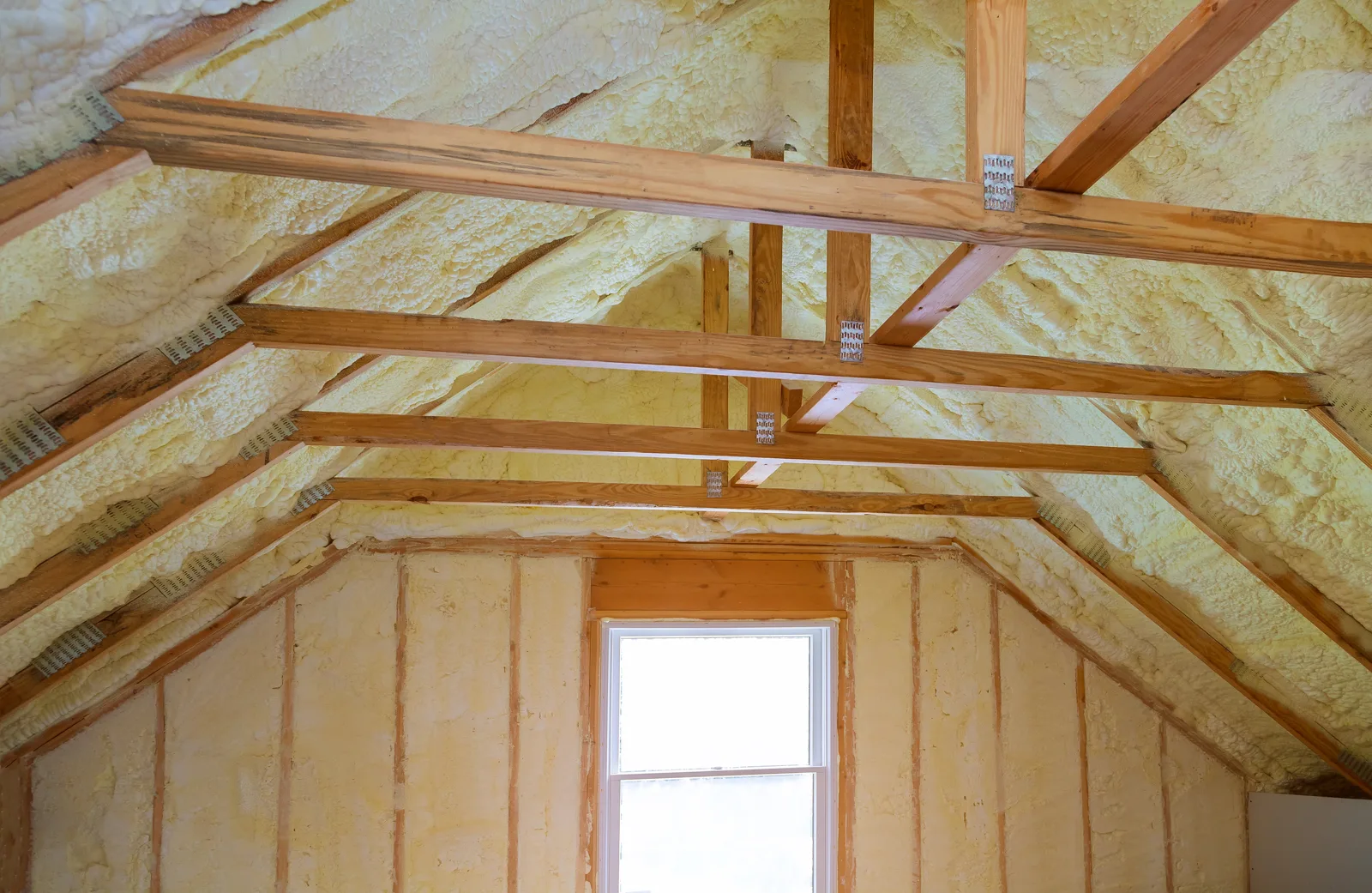
Most homeowners know they need insulation. Most do not know why one type is better than another. The overall quality of attic insulation makes a real difference in comfort and energy bills. Choosing the cheapest material usually costs more over ten years because the HVAC system runs double-time to keep up with the loss.
What R-Value Actually Measures
R-value is the standard measurement of thermal resistance. It measures how well an insulating material resists heat transfer from one side to another. Higher R-value means better insulation.
For reference:
- Solid wood: R-1 per inch
- Fiberglass insulation: R-3.1 to R-3.4 per inch
- Cellulose insulation: R-3.2 to R-3.7 per inch
- Spray foam (open cell): R-3.5 to R-3.7 per inch
- Spray foam (closed cell): R-6 to R-7 per inch
Knowing the R-value of insulation, whether already installed or under consideration, makes the buying decision much clearer.
What Dallas Homes Actually Need
There is no national standard for attic insulation. Climate determines what to install. In Dallas, the long hot summers and brief cold snaps mean the goal is mostly to keep air-conditioned air inside the conditioned envelope while preventing radiant heat from the attic from working its way down into the living space.
The Department of Energy recommends R-38 for attics in southern climates, which works out to roughly 13 to 14 inches of fiberglass batt or blown-in cellulose. The older the home, the more insulation it usually needs because what was installed in 1985 was almost certainly not R-38.
Why It Pays Back
For an older Dallas home, upgrading attic insulation to current standards often returns the cost in 4 to 7 years through reduced cooling bills. Past that point it is straight savings. The HVAC system also runs less, which extends its life and reduces wear on the compressor.
Where Bert Roofing Helps
We install attic insulation as part of roof replacement projects when the existing insulation has settled, is below current code, or has been damaged by leaks. We also do standalone insulation upgrades on Dallas homes that do not need a new roof yet but do need a hot attic fixed.
For a free assessment, call us at 214-321-9341 or request an inspection online.