Benefits of Tile Roofing for Dallas Homes and Commercial Properties
Thinking about replacing your roof or choosing a roof for a new build? If you have room in the budget, tile roofing is worth serious consideration. It offers a distinctive look, outstanding longevity, and impressive performance in tough climates like North Texas. Below are the key advantages of tile roofing to help you decide if it’s the right fit for your home or commercial property.
Design Versatility and Curb Appeal
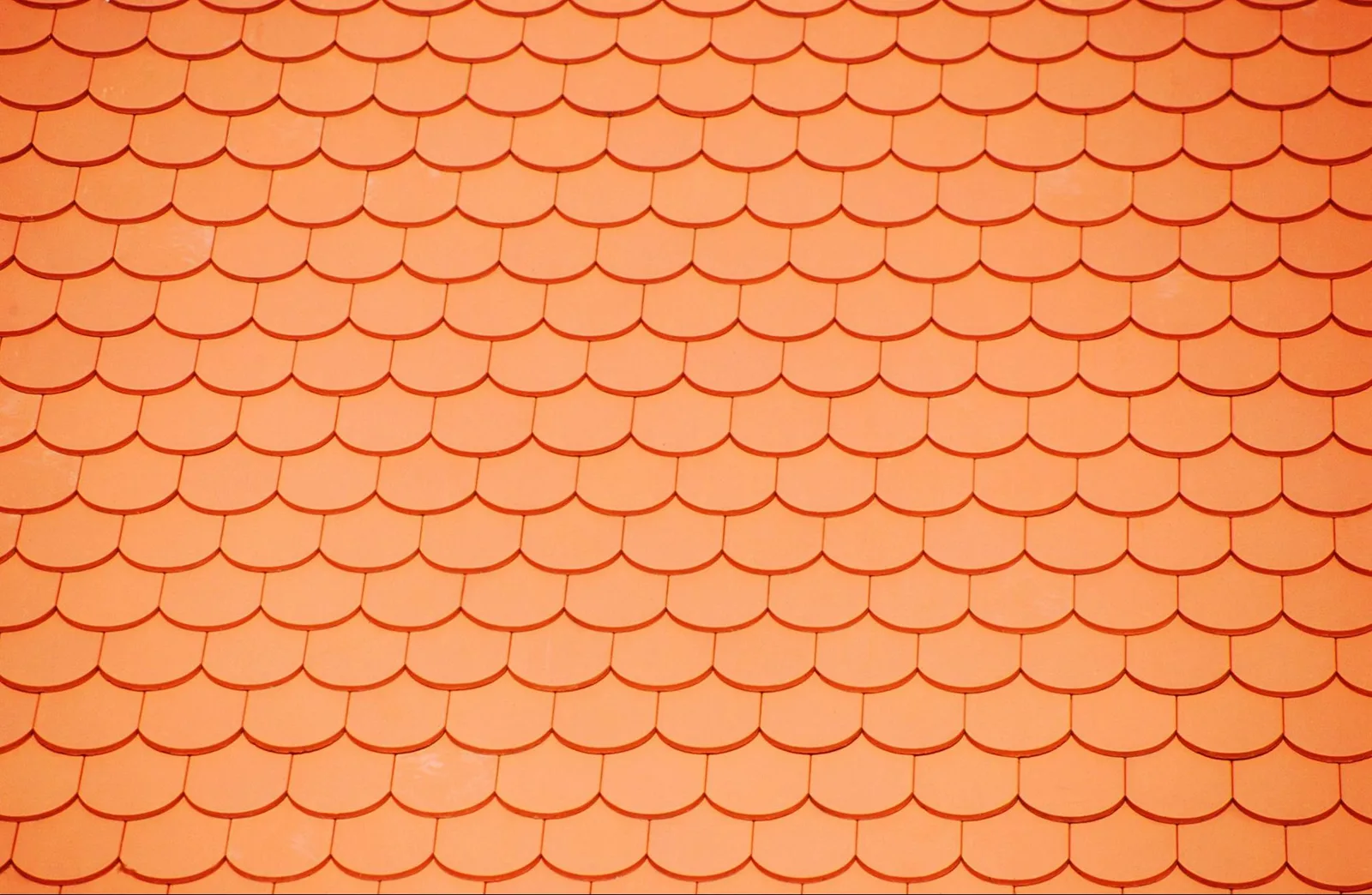
When most people picture tile roofing, they imagine classic terra-cotta Spanish-style roofs. That’s one option, but it’s far from the only one. Modern clay and concrete tiles can be molded to resemble other roofing materials, including:
- Wood shake
- Slate-style shingles
- Chipped stone profiles
Beyond texture, tile roofing comes in a wide range of shapes and profiles:
- Spanish tiles
- Double Roman tiles
- Scandia tiles
- Barrel tiles
- Riviera tiles
Whether your property leans traditional, Mediterranean, or modern, there’s a tile profile and color that can complement the overall design and dramatically boost curb appeal.
Exceptional Lifespan
If you want a “do it once and be done” roof, tile is hard to beat. Most tile roofs have a life expectancy of 50 years on the low end and can easily reach 100 years or more with proper installation and basic maintenance. Even in harsh, hot climates that wear out other roofing materials, tile holds up for decades. You may see some cosmetic color fading over time, but that does not affect the strength, waterproofing, or performance of the roof.
Environmentally Friendly Choice
Tile roofing is often a strong choice for homeowners and property owners looking to reduce their environmental footprint.
- Clay and concrete tiles are made from natural, earth-derived materials.
- At the end of their service life, tiles can be crushed and recycled for use in other products.
- Many synthetic or composite tiles can also be recycled, depending on the manufacturer.
Other materials, such as metal and wood shakes, can be sustainable as well. However, when you factor in tile’s long life and energy performance, it often has an edge as a long-term “green” roofing option. For more background on cool roofing and energy performance, you can also review resources from the U.S. Department of Energy.
Energy Efficiency in Hot and Cold Weather
Tile roofing performs especially well in hot markets like Dallas–Fort Worth. Here’s why:
- Natural insulation. Tile is naturally insulative, helping reduce heat transfer into the attic and living space.
- Reflectivity (especially in lighter colors). Light-colored tile reflects a significant portion of solar heat back into the atmosphere rather than absorbing it.
- Built-in ventilation. The way tile is installed allows for air movement under and around the tiles, which adds another layer of protection against heat gain.
Compared to a typical asphalt shingle roof, a properly designed tile roofing system can help reduce heating and cooling costs, often by a noticeable margin over time.
Long-Term Cost Effectiveness
Tile roofing is not the cheapest option up front. For many owners, the question isn’t “Is tile expensive?” but “Does tile pay off over the long run?” Consider the lifecycle:
- Tile typically lasts 50–100+ years.
- Most other roofing systems will need to be replaced at least once in that same time frame.
- Each replacement involves labor, material, disposal, and disruption.
When you spread the initial investment in tile over several decades, and compare it to paying for one or more full replacements of a lower-cost roof, tile often looks much more reasonable from a long-term cost perspective.
Proven Durability and Weather Resistance
Tile’s long service life is driven by its built-in durability. When installed correctly, quality tile roofing can stand up to:
- Hail: Many tile systems are rated to resist impact from hail up to about two inches in diameter without chipping or cracking.
- High winds: Properly fastened tile can withstand very high wind speeds when installed to manufacturer specifications.
- Fire: Tile is non-combustible and usually carries a Class A fire rating, the highest rating available for roof coverings.
- Rot and insects: Unlike organic materials, tile does not rot, attract insects, or support mold and mildew growth.
Because of this performance, many tile manufacturers back their products with long-term warranties, sometimes up to 50 years or more. That level of support reflects their confidence in how these systems hold up over time.
Considering Tile Roofing in Dallas? Talk With Bert Roofing
If you’re exploring tile roofing for your Dallas home or commercial property, the next step is to talk with an experienced installer who understands both the product and our local climate. At Bert Roofing, our team can:
- Evaluate whether tile is a good fit for your structure and budget
- Help you compare clay vs. concrete vs. other specialty tile options
- Walk you through color and profile choices to match your exterior
- Provide a detailed, no-pressure quote for installation
Looking for other roof replacement options in the Dallas area? Visit our Dallas Roof Replacement Services page to see how we help homeowners and property managers choose the right material for their needs.